
Sustainable Skincare: What Makes a Brand Truly Eco-Friendly
-
By Igor Kapler
Sustainability has become one of the most used — and misused — words in modern skincare. Many brands claim to be eco-friendly, natural, or conscious, yet for consumers trying to make genuinely responsible choices, it is not always clear what those labels truly mean.
For people with sensitive or problem skin, sustainability is often about more than environmental impact. It is also about trust, simplicity, and long-term wellbeing — both for the skin and the wider world.
Understanding what makes a skincare brand truly sustainable requires looking beyond marketing language and focusing on values, practices, and long-term intent.
Understanding Sustainable Skincare
At its core, sustainable skincare is about minimising harm and maximising responsibility across every stage of a product’s life. This includes how ingredients are sourced, how products are made, how they are packaged, and how they fit into everyday routines.
True sustainability is not a single feature or certification. It is a system of decisions that work together to reduce environmental impact while respecting both people and ecosystems.
A sustainable skincare brand does not aim to be perfect. It aims to be transparent, consistent, and continually improving.
What Makes a Skincare Brand Eco-Friendly?
An eco-friendly skincare brand considers its impact from beginning to end. This goes far beyond using natural ingredients or recyclable packaging.
Key areas include ingredient sourcing, manufacturing practices, packaging choices, and product philosophy. When these elements align, sustainability becomes part of the brand’s foundation rather than a surface-level claim.
Eco-friendly skincare is often quieter and less trend-driven, focusing instead on longevity and responsibility.
Why Sustainable Skincare Matters
Sustainable skincare matters because the beauty industry has a measurable environmental footprint. From resource-intensive ingredients to excessive packaging, conventional skincare can contribute to waste, pollution, and overconsumption.
For consumers, sustainability also matters on a personal level. Many people find that simpler, more thoughtful skincare aligns better with sensitive skin, ethical values, and a desire for long-term balance.
Sustainability connects skin health, environmental health, and lifestyle choices into a single conversation.
Ingredient Sourcing and Environmental Responsibility
One of the clearest indicators of a brand’s sustainability is how it sources its ingredients.
Sustainably minded brands prioritise ingredients that are responsibly obtained, traceable, and aligned with natural cycles. This often means favouring fewer ingredients of higher quality rather than complex formulations reliant on global supply chains.
Ingredient sourcing also involves considering land use, animal welfare where relevant, and the environmental impact of farming or harvesting practices.
The Role of Simplicity in Sustainable Skincare
Simplicity is often overlooked as a sustainability principle. Yet products with fewer ingredients tend to require fewer resources, generate less waste, and are easier for consumers to understand and use responsibly.
From a skincare perspective, simpler formulations can also reduce the likelihood of irritation and overuse. From an environmental perspective, they support mindful consumption rather than constant replacement.
Sustainable skincare encourages buying less, choosing carefully, and using products consistently.
Packaging: Beyond “Recyclable”
Packaging is one of the most visible aspects of sustainability, but also one of the most misunderstood.
While recyclable materials are important, true sustainability also considers durability, reuse, and overall material reduction. Excessive secondary packaging, unnecessary plastics, and short-lived containers undermine even the best ingredient choices.
Eco-friendly brands often prioritise glass, metal, or minimal packaging designs that are functional rather than decorative.
Longevity and Product Purpose
A sustainable skincare product is designed to last — not just on the shelf, but in a routine.
Products that serve multiple purposes, require only small amounts, and integrate easily into daily life help reduce overconsumption. This aligns with traditional skincare philosophies, where products were chosen carefully and used consistently over time.
Longevity benefits both the environment and the skin, encouraging stability rather than constant change.
Common Myths About Sustainable Skincare
“Natural automatically means sustainable”
Natural ingredients can still be unsustainably sourced. Sustainability depends on how ingredients are produced and used, not just their origin.
“Eco-friendly skincare is less effective”
Effectiveness is not determined by complexity. Many simple formulations perform well because they support the skin rather than overwhelm it.
“Sustainable brands are always more expensive”
While some sustainable products cost more upfront, they often last longer and replace multiple products, reducing long-term spend.
How Sustainable Skincare Fits Into Everyday Life
Sustainable skincare is not about perfection. It is about making informed, realistic choices.
In daily life, this might involve simplifying routines, choosing refillable or durable packaging, and resisting the pressure to constantly try new products. It also involves learning to listen to the skin rather than reacting to trends.
Over time, these habits create a calmer relationship with skincare.
Traditional Values and Modern Sustainability
Many sustainability principles are rooted in traditional practices. Historically, skincare relied on local ingredients, minimal processing, and multifunctional products.
Modern sustainability often involves rediscovering these values and applying them with current knowledge and standards. This creates a bridge between ancestral wisdom and contemporary responsibility.
Rather than rejecting modern innovation, sustainable brands use it selectively and thoughtfully.
Product and Resource Mentions in a Sustainable Context
Within a sustainable skincare philosophy, product choice is guided by purpose rather than excess.
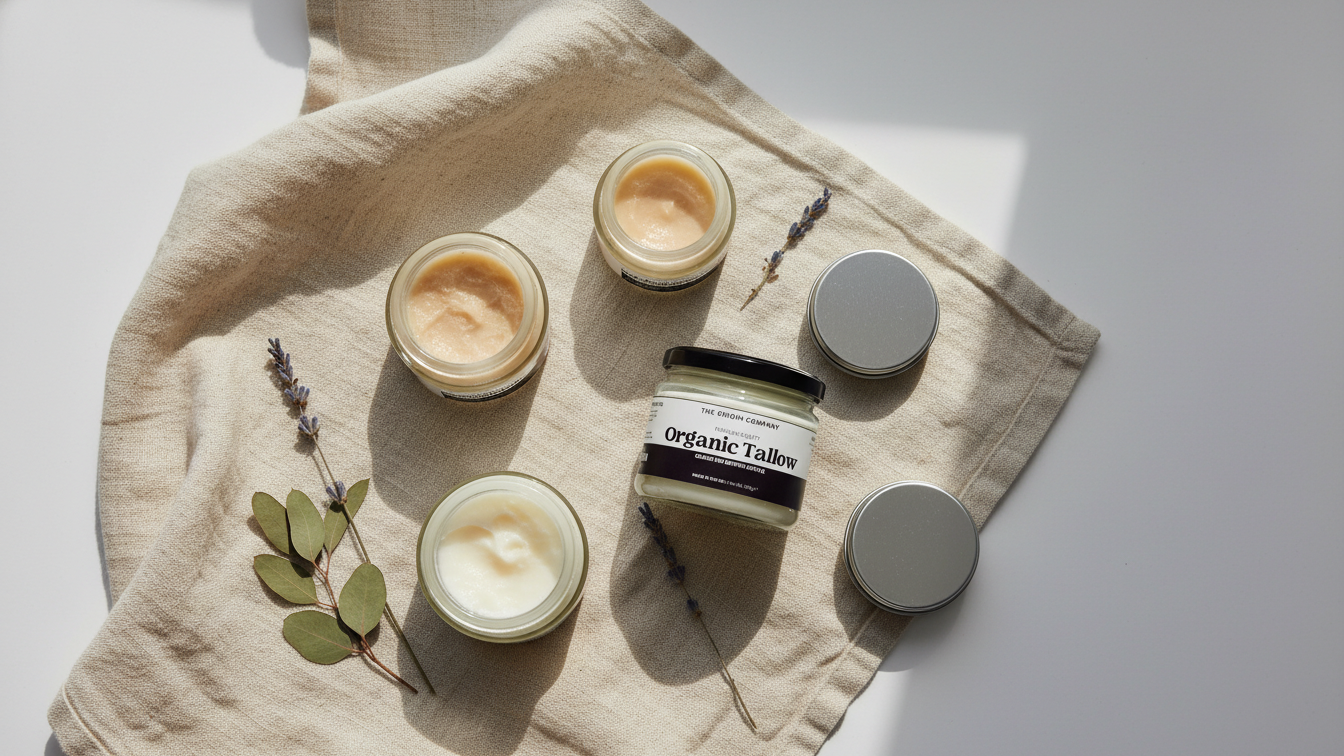
Products such as traditional tallow balms or simple soaps are often highlighted because they align with principles of minimal ingredients, multifunctional use, and long product life. These formulations tend to support both skin balance and responsible consumption when produced thoughtfully.
The emphasis remains on suitability and intention, not promotion.
Frequently Asked Questions
What does sustainable skincare really mean?
It means reducing environmental impact while supporting long-term skin health through responsible sourcing, minimal waste, and thoughtful product design.
Is sustainable skincare suitable for sensitive skin?
Often yes, as simpler formulations and fewer ingredients can be easier for sensitive skin to tolerate.
How can I tell if a brand is truly eco-friendly?
Look for transparency, consistency, and evidence of responsibility across sourcing, packaging, and philosophy — not just marketing claims.
A More Thoughtful Way Forward
Sustainable skincare is ultimately about values. It asks consumers and brands alike to slow down, choose carefully, and prioritise long-term wellbeing over short-term trends.
By understanding what truly makes a brand eco-friendly, consumers can make choices that align with both their skin’s needs and their broader values. Sustainability is not a destination, but an ongoing commitment to doing better — quietly, consistently, and with intention.
Suggested Internal Links (Origin)
- Why We Use Grass-Fed Organic Tallow (And What That Actually Means)
- A Natural Skincare Routine for Spring/Summer: What Your Skin Really Needs
- Not All Oils Were Created Equal: The Best Cooking Oils and Cookware for a Healthier Kitchen
3 Comments