
Exploring the History of Tallow in Traditional Skincare
-
By Igor Kapler
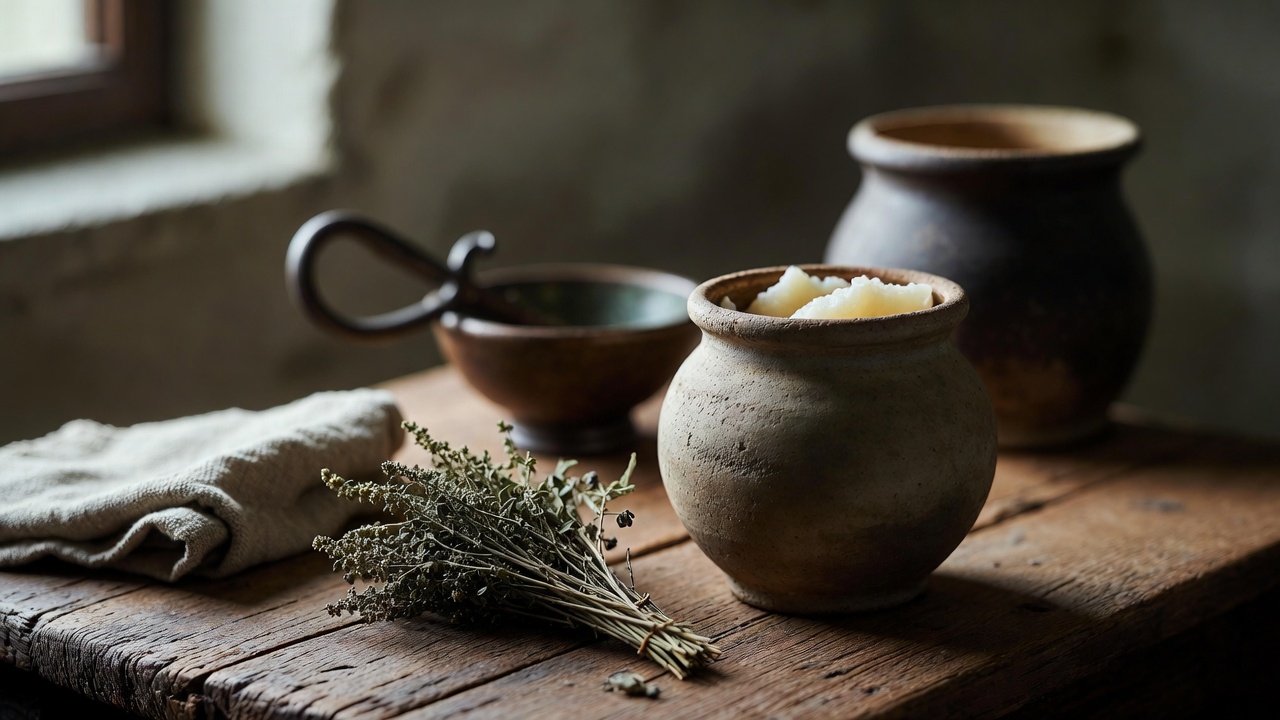
Long before modern skincare laboratories, ingredient lists, and synthetic formulations, people cared for their skin using what was readily available, familiar, and deeply connected to daily life. One of those ingredients was tallow.
Today, tallow is reappearing in conversations about natural skincare, sustainability, and ancestral wisdom. For some, this raises curiosity. For others, questions. Why would an ingredient used centuries ago still matter now? And what can its history teach us about how we care for our skin today?
Exploring the history of tallow in traditional skincare offers perspective. It reminds us that skincare was once less about trends and more about function, nourishment, and respect for natural resources. Understanding this history helps place modern interest in tallow within a broader, grounded context.
Understanding Tallow in Traditional Skincare
Tallow is a rendered form of animal fat, traditionally sourced from cattle or sheep. Rendering removes impurities and moisture, resulting in a stable, shelf-stable fat that has been used for centuries in cooking, candle-making, soap production, and skin care.
In traditional societies, tallow was not considered unusual or experimental. It was practical. Families used the whole animal, valuing every part. Fat was especially prized for its protective and nourishing qualities.
When applied to the skin, tallow served simple purposes:
- Protecting skin from harsh weather
- Reducing dryness caused by wind and cold
- Supporting daily hygiene and comfort
There was no separation between skincare and daily life. What nourished the body often nourished the skin as well.
Why the History of Tallow Matters Today
Understanding tallow’s historical role helps explain why it continues to attract interest in modern natural skincare.
It matters because it connects to:
- Simplicity: Fewer ingredients, clear purpose
- Sustainability: Using existing by-products rather than creating new synthetics
- Cultural wisdom: Practices refined over generations
- Skin resilience: Supporting rather than overpowering the skin
As consumers increasingly question over-complicated routines and environmental impact, historical ingredients like tallow provide a valuable reference point.
Tallow in Ancient and Traditional Cultures
Early Agricultural Societies
In early farming communities, animal husbandry was central to survival. Tallow naturally emerged as a multipurpose resource.
Rendered fat was used to:
- Protect hands during manual labour
- Soften skin exposed to cold and wind
- Prevent cracking in harsh climates
These uses were practical responses to environment, not cosmetic ideals.
Tallow in European Traditions
Across Europe, tallow-based salves and balms were common household items.
In rural communities:
- Tallow was mixed with herbs for topical preparations
- Families passed down simple formulations
- Skincare was seasonal, adjusting to climate
In colder regions, heavier fats like tallow were especially valued for their occlusive properties.
Indigenous and Folk Practices
Many indigenous cultures used animal fats as part of broader holistic practices. Skin was seen as a protective boundary, deserving care and respect.
Animal fats were often combined with:
- Plant oils
- Herbal infusions
- Natural waxes
These combinations reflected local resources and knowledge rather than uniform recipes.
Key Learnings from Traditional Use of Tallow
Looking back at historical use reveals consistent principles.
1. Skin Was Treated as Functional
Traditional skincare focused on keeping skin:
- Comfortable
- Protected
- Able to perform its role
Aesthetic concerns were secondary.
2. Ingredients Were Chosen for Availability and Purpose
There was no expectation of exotic sourcing. Ingredients were local, seasonal, and familiar.
This approach encouraged:
- Resource efficiency
- Minimal waste
- Respect for nature’s cycles
3. Consistency Over Complexity
Skincare routines were simple and repeated daily. The same balm might be used for hands, face, and body.
This consistency supported long-term skin stability rather than frequent experimentation.
Common Myths and Misunderstandings About Tallow
“Tallow is outdated and ineffective”
Historical longevity suggests otherwise. Tallow remained in use for centuries because it served a clear function.
“Traditional ingredients lack scientific relevance”
Modern science often studies what traditional cultures already understood intuitively. Historical use does not replace research, but it can guide curiosity.
“Animal-based skincare is inherently unsustainable”
Sustainability depends on sourcing and production. Historically, tallow was a by-product, not the primary goal. This context matters when evaluating its environmental role today.
How Tallow Was Used in Daily Life
Traditional skincare routines were woven into daily habits.
Examples include:
- Applying tallow-based salves after washing
- Using heavier applications during winter
- Combining fat with herbs for specific needs
There was little separation between skincare and self-care. These practices were quiet, habitual, and practical.
Traditional vs Modern Skincare Approaches
Traditional Approach
- Few ingredients
- Multipurpose products
- Local sourcing
- Slow refinement over generations
Modern Approach
- Specialised formulations
- Targeted actives
- Global sourcing
- Rapid innovation cycles
Neither approach is inherently superior. However, revisiting traditional methods offers balance in a market often driven by novelty.
The Return of Tallow in Modern Natural Skincare
The renewed interest in tallow reflects broader shifts in consumer values.
People are seeking:
- Ingredient transparency
- Reduced environmental impact
- Products aligned with ancestral wisdom
Brands like Origin explore historical ingredients thoughtfully, integrating traditional knowledge with modern formulation standards.
Where Origin Fits Into This History
Origin’s interest in tallow is rooted in respect for history rather than nostalgia.
When used thoughtfully, tallow-based formulations can reflect:
- Minimalist ingredient philosophies
- Skin barrier-supportive design
- Sustainable use of existing resources
Origin’s educational content often helps contextualise these ingredients, allowing customers to make informed choices without pressure.
Frequently Asked Questions
Why was tallow so widely used in traditional skincare?
It was accessible, stable, and effective for protecting skin against environmental stress.
Is traditional use of tallow relevant today?
Historical use provides context, not guarantees. It helps inform modern approaches focused on simplicity and balance.
How does tallow compare to plant oils historically?
Animal fats were often preferred in colder climates due to their protective qualities, while plant oils were more common in warmer regions.
Suggested Internal and External Resources
Internal Origin Links:
- The History of Tallow Skincare: From Ancient Wisdom to Modern Revival
- Natural and Traditional Approaches Compared to Modern Skincare
- The Complete Guide to Grass-Fed Organic Tallow Skincare
External Authoritative Sources:
- The History of Tallow Skincare: The Ancient Secret to Naturally Radiant, Healthy Skin
- The Origins of Tallow: Ancient Skincare Wisdom for Modern Skin
Conclusion
The history of tallow in traditional skincare is not about returning to the past unchanged. It is about learning from it.
Across cultures and centuries, tallow served as a practical, reliable way to protect and nourish the skin. Its continued relevance lies not in trends, but in the values it represents: simplicity, respect for resources, and long-term care.
By understanding where ingredients come from and how they were used, modern skincare becomes more thoughtful, grounded, and intentional. And sometimes, the most meaningful progress begins by looking back.