Whipped Tallow and Honey Balm: Easy Homemade Recipe
-
By Igor Kapler
Introduction
There is a quiet shift happening in skincare.
More people are stepping away from long ingredient lists and turning towards simple, time-tested formulations rooted in nature.
Among these rediscovered traditions is the use of tallow and honey — two ingredients used for generations to nourish, soften, and protect the skin. Today, they are being revisited not as trends, but as practical solutions for people seeking gentle, functional skincare.
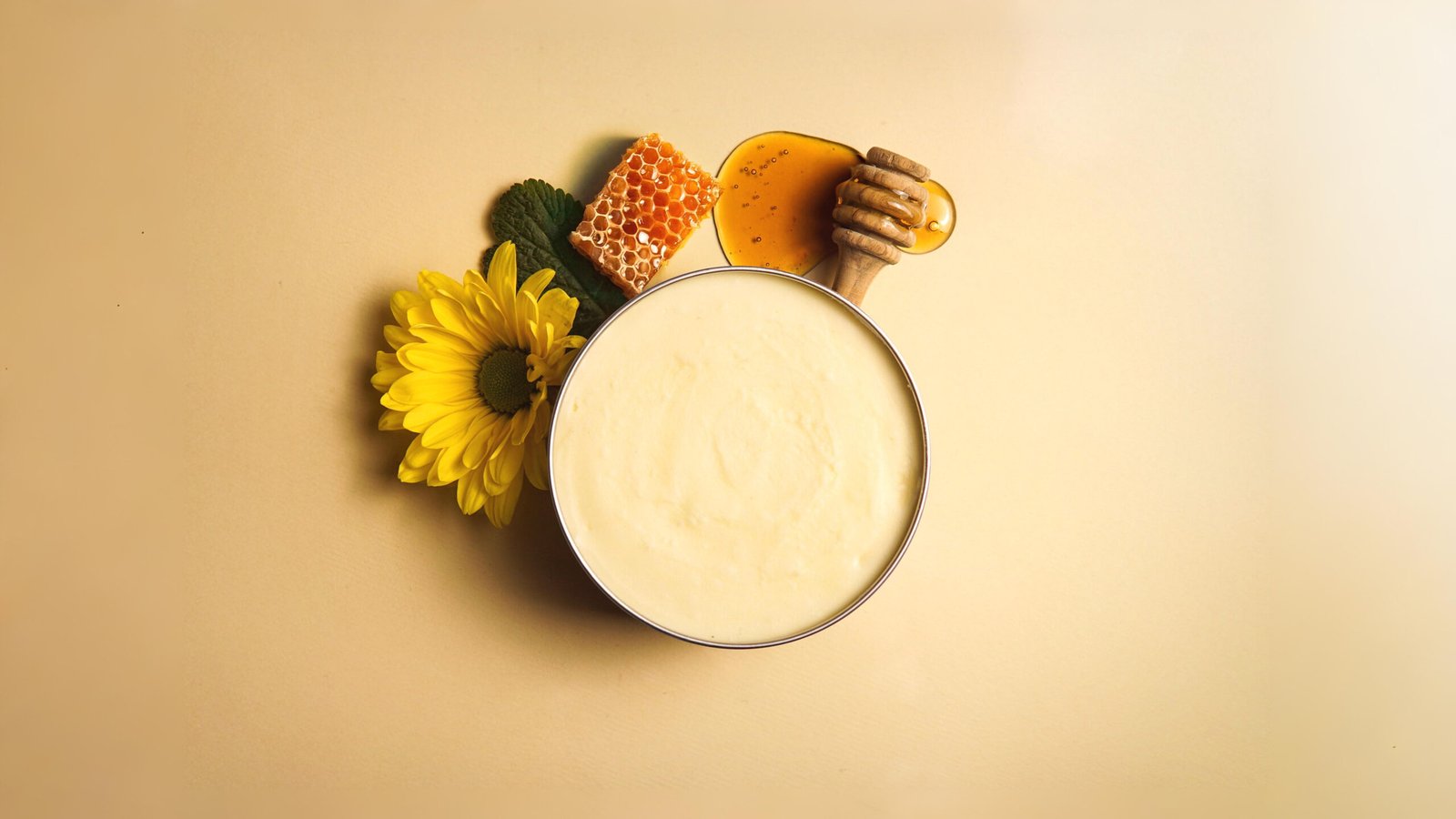
One of the most approachable ways to explore ancestral skincare at home is through a whipped tallow and honey balm. This creamy, lightweight balm combines deeply nourishing fats with the soothing, humectant qualities of honey.
In this guide, we will explain what whipped tallow and honey balm is, why these ingredients work so well together, and how to make your own using a simple, beginner-friendly recipe.
Understanding Whipped Tallow and Honey Balm
What Is Whipped Tallow?
Tallow is rendered beef fat that has been purified and gently processed for skincare use. When whipped, it transforms into a soft, airy texture that melts quickly into the skin.
Whipping tallow:
- Improves spreadability
- Creates a lighter skin feel
- Makes the balm easier to apply
- Enhances user experience without altering the ingredient’s natural benefits
What Does Honey Add to the Balm?
Honey has been valued in skincare for thousands of years. Traditionally used in wound dressings and skin preparations, it is known for its natural humectant properties, meaning it helps draw moisture to the skin.
When blended carefully with tallow, honey helps create a balm that supports both hydration and barrier nourishment.
Why Tallow and Honey Matter in Modern Skincare
Today’s skincare landscape often focuses on complexity. However, many people with sensitive or reactive skin benefit from ingredient simplicity.
Tallow and honey matter because they provide:
- Biologically compatible nourishment
- Naturally derived moisture support
- Minimal exposure to synthetic additives
- Sustainable, traditional ingredient sourcing
These ingredients also represent a return to whole-material skincare, where each component serves a functional purpose rather than acting as filler.
The Skin Benefits of Tallow and Honey
Tallow Benefits for Skin
Tallow contains fatty acids similar to those found in human sebum. These include:
- Oleic acid
- Stearic acid
- Palmitic acid
These lipids help support the skin’s natural barrier and reduce moisture loss. Tallow is also naturally rich in fat-soluble vitamins that help maintain skin comfort and suppleness.
Many people find tallow particularly supportive for:
- Dry or wind-exposed skin
- Rough texture areas
- Minimalist skincare routines
Honey Benefits for Skin
Honey offers a complementary set of properties.
It is valued for its ability to:
- Attract and retain moisture
- Support surface hydration
- Provide a naturally soothing skin feel
When used in balanced formulations, honey helps create a balm that feels both nourishing and lightweight.
Why Whipping the Balm Makes a Difference
A traditional tallow balm can be dense. Whipping introduces air into the mixture, creating a softer texture that many people prefer for everyday skincare.
Whipped balms typically:
- Melt faster on contact with skin
- Feel less heavy
- Spread more easily
- Encourage consistent use
For beginners making skincare at home, whipped balms also offer a more familiar cream-like consistency.
Easy Homemade Whipped Tallow and Honey Balm Recipe
Ingredients
- 100g grass-fed, properly rendered tallow
- 1 teaspoon raw, high-quality honey
- Optional: 1 tablespoon carrier oil (such as organic olive oil or jojoba oil)
- Optional: 3–5 drops skin-safe essential oil (only if suitable for sensitive skin)
Equipment
- Heat-safe glass bowl or jar
- Saucepan for double boiler method
- Hand whisk or electric mixer
- Clean glass storage jar with lid
Step-by-Step Instructions
Step 1: Gently Melt the Tallow
Place the tallow into a heat-safe bowl.
Set the bowl over a saucepan containing simmering water.
Allow the tallow to melt slowly. Avoid overheating, as excessive heat can degrade delicate nutrients.
Step 2: Remove From Heat
Once fully melted, remove the bowl from heat and allow the tallow to cool slightly. It should remain liquid but not hot.
Step 3: Add Honey
Add the honey gradually while stirring continuously.
Because honey and fat do not naturally emulsify, stirring thoroughly at this stage helps create an even blend.
Step 4: Add Optional Oils
If using carrier oils or essential oils, add them once the mixture has cooled slightly.
This helps preserve ingredient integrity and fragrance balance.
Step 5: Chill Until Semi-Solid
Place the mixture in the fridge for approximately 20–30 minutes.
You are aiming for a semi-solid consistency that is soft but not fully hardened.
Step 6: Whip the Balm
Use a hand whisk or electric mixer to whip the mixture until it becomes light, fluffy, and creamy.
This process usually takes 2–5 minutes.
Step 7: Store Properly
Transfer the whipped balm into a clean glass jar and store in a cool, dry place away from direct sunlight.
Key Tips for Recipe Success
Choose High-Quality Tallow
The quality of your balm depends heavily on ingredient sourcing.
Look for:
- Grass-fed or pasture-raised animal sourcing
- Properly rendered and purified tallow
- Neutral scent and smooth texture
Use Raw, Unprocessed Honey
Raw honey retains natural enzymes and beneficial properties that are often reduced during heavy processing.
Avoid Overheating
Gentle heating helps preserve the integrity of both ingredients and maintains skin compatibility.
Common Myths and Misunderstandings
“Will the balm feel sticky because of honey?”
When used in small, balanced amounts, honey does not typically leave a sticky residue. Instead, it contributes subtle hydration and softness.
“Does tallow clog pores?”
Tallow is often well tolerated because its lipid profile resembles human skin oils. However, individual responses vary, and patch testing is always recommended.
“Is homemade balm less stable?”
Homemade balms can remain stable when:
- Stored properly
- Made with clean tools
- Used within a reasonable timeframe
Because the recipe avoids water, it typically requires fewer preservation measures.
How Whipped Tallow and Honey Balm Fits Into Real Life
Daily Moisturiser
Apply a small amount to:
- Face
- Hands
- Elbows
- Lips
Many users prefer using whipped balm as a night moisturiser due to its nourishing texture.
Seasonal Skin Support
This balm can be especially helpful during:
- Cold winter months
- Wind exposure
- Indoor heating seasons
Multi-Purpose Skin Care
Minimalist skincare users often rely on whipped balms as:
- Hand cream
- Lip balm
- Dry skin salve
- Cuticle conditioner
Traditional and Modern Skincare Perspectives
Traditional Approach
Historically, skincare relied on:
- Whole fats
- Botanical infusions
- Minimal processing
- Locally sourced materials
These preparations were valued for function and simplicity.
Modern Commercial Skincare
Modern formulations often prioritise:
- Texture engineering
- Extended shelf life
- Fragrance profiles
- Rapid absorption technologies
Both approaches offer value, but many people rediscover traditional methods when seeking ingredient transparency and simplicity.
When Homemade Skincare May Not Be Ideal
While DIY skincare is rewarding, it may not suit everyone.
Commercially crafted products may offer:
- Laboratory-tested stability
- Consistent texture
- Professionally balanced formulations
For those who prefer ready-made options, formulations such as Origin Whipped Tallow Balm or Origin Tallow Skin Balm provide carefully prepared alternatives using traditional ingredient principles.
Educational resources such as Origin’s guide to skin barrier health and Origin’s article on ancestral skincare methods may also support informed ingredient choices.
Frequently Asked Questions
Can whipped tallow and honey balm be used on the face?
Many people use it as a facial moisturiser, particularly for dry or mature skin. However, patch testing is recommended, especially for acne-prone skin.
How long does homemade whipped balm last?
When stored correctly and made with clean tools, it can remain stable for several months. Always monitor scent, colour, and texture.
Can I substitute plant oils for part of the tallow?
Yes. Some people blend tallow with oils such as jojoba or olive oil to adjust texture and absorption speed.
Is whipped balm suitable for sensitive skin?
The simple ingredient profile often suits sensitive skin, particularly when fragrance-free. Individual sensitivities should still be considered.
Conclusion
Whipped tallow and honey balm offers a thoughtful, approachable way to reconnect with simple skincare traditions. By combining nutrient-rich fats with moisture-supporting honey, this balm reflects a balanced approach to skin nourishment.
Making skincare at home can encourage deeper ingredient awareness and appreciation for ancestral knowledge. Whether used as a DIY project or as inspiration for choosing ingredient-led products, whipped tallow and honey balm highlights the power of simplicity.
Skincare does not need to be complicated to be effective. Sometimes, the most enduring solutions are the ones that have quietly worked for generations.
Suggested Further Reading and Resources
Internal Origin Links
- Product Spotlight: How Our Balms Support Sensitive Skin
- The History of Tallow Skincare: From Ancient Wisdom to Modern Revival
- Sustainable Skincare: What Makes a Brand Truly Eco-Friendly