
Beef Tallow Soap Bars: Best Artisan Options in the UK
-
By Igor Kapler
Introduction
Interest in beef tallow soap bars has grown quietly but steadily across the UK. Many people are rethinking what they put on their skin, especially those dealing with dryness, eczema-prone skin, acne, or irritation caused by modern cleansers.
At the same time, there is a wider return to ancestral, ingredient-led living. Fewer synthetics. More traceability. Less marketing noise. More substance.
Beef tallow soap sits right at the intersection of these values. It is old, simple, deeply nourishing, and surprisingly relevant in a modern skincare routine.
This guide explores what beef tallow soap bars are, why they matter, how to choose high-quality artisan options in the UK, and how brands like Origin approach this ingredient with care, transparency, and respect for tradition.
Understanding Beef Tallow Soap Bars
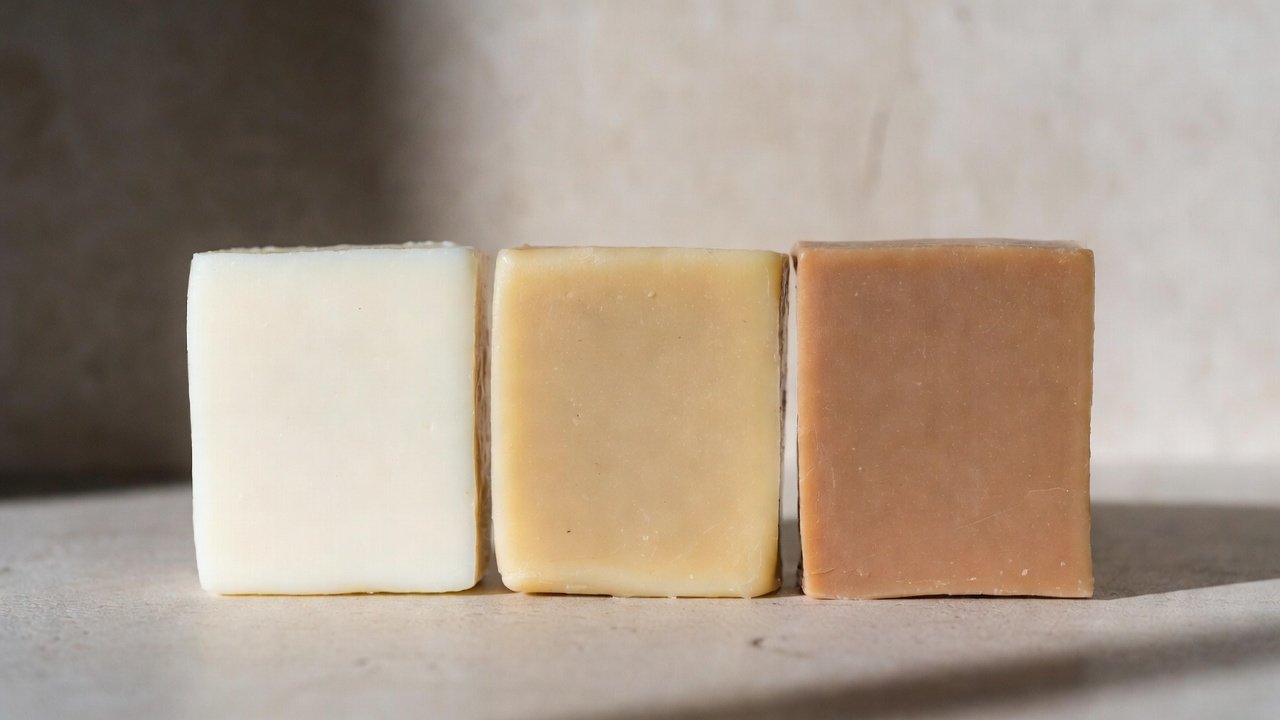
Beef tallow soap is made using rendered beef fat, traditionally sourced from grass-fed cattle. When properly rendered and combined with a natural alkali (such as lye), it creates a firm, gentle soap with excellent cleansing and conditioning properties.
This is not a novelty ingredient. Tallow was one of the most widely used soap fats in Britain and Europe for centuries, long before palm oil or synthetic surfactants became common.
What makes tallow unique is its fatty acid profile, which is remarkably similar to the natural lipids found in human skin.
Key characteristics of beef tallow soap:
- Rich in oleic, palmitic, and stearic acids
- Naturally hard and long-lasting bar
- Creamy, low-foam lather (not stripping)
- Suitable for face, body, and hands
- Traditionally used for sensitive and damaged skin
When made well, tallow soap cleans without disrupting the skin barrier.
Why Beef Tallow Soap Matters Today
Modern skincare often focuses on complexity: multiple steps, active overload, and long ingredient lists. Beef tallow soap represents the opposite approach.
1. Skin Compatibility
Tallow’s structure closely mirrors human sebum. This means it cleans without aggressively removing the skin’s protective oils.
For people with:
- Sensitive skin
- Dry or flaky skin
- Over-cleansed or compromised skin barriers
…tallow soap can feel noticeably gentler.
2. Ingredient Transparency
Most traditional tallow soaps contain very few ingredients:
- Rendered beef tallow
- Water
- Lye (fully saponified)
- Optional essential oils or botanicals
There are no synthetic fragrances, foaming agents, or preservatives.
3. Sustainability and Waste Reduction
When sourced responsibly, tallow is a by-product of the food industry. Using it in skincare respects the whole animal and reduces waste.
Compared to imported palm oil or petrochemical-derived surfactants, local tallow can have a lower environmental footprint.
4. Cultural and Ancestral Roots
Soapmaking with animal fats was once common across Britain. Returning to these methods is not regression; it is informed simplicity.
Key Benefits of Beef Tallow Soap Bars
While individual experiences vary, many people report consistent advantages when switching to well-made tallow soap.
Gentle Cleansing
- Does not leave skin tight or squeaky
- Maintains natural moisture balance
- Suitable for daily use
Long-Lasting Bar
- Naturally hard texture
- Dissolves slowly when kept dry
- Often more economical over time
Multi-Purpose Use
- Face cleanser
- Body soap
- Hand soap
- Even shaving soap for some users
Minimalist Skincare Routines
Tallow soap works particularly well for those simplifying their routine:
- Cleanse
- Moisturise (often with a tallow balm)
- Protect
This aligns with Origin’s ingredient-led philosophy: fewer products, better choices.
Common Questions, Myths, and Misunderstandings
“Does beef tallow soap smell like meat?”
No. Properly rendered tallow is neutral in scent. Any aroma usually comes from essential oils or botanicals added during soapmaking.
A strong or unpleasant smell often indicates poor rendering, not the ingredient itself.
“Is animal-based soap bad for the skin?”
Not inherently. In fact, animal fats were historically preferred for soap because of their conditioning properties.
Issues arise from poor formulation, not from tallow itself.
“Is tallow soap comedogenic?”
Soap is a wash-off product. When properly balanced, tallow soap does not typically clog pores.
Many people with acne-prone skin find it less irritating than synthetic cleansers.
“Is it ethical?”
Ethics depend on sourcing. Responsible brands use tallow from grass-fed, ethically raised cattle and are transparent about their supply chain.
How Beef Tallow Soap Fits Into Real Life
For Sensitive Skin
Use once daily, preferably in the evening. Avoid hot water. Pat skin dry and follow with a simple moisturiser.
For Dry or Mature Skin
Tallow soap can replace harsher cleansers entirely. Pair with a natural balm to seal in moisture.
For Oily or Combination Skin
Despite common assumptions, gentle cleansing often reduces over-production of oil. Tallow soap supports balance rather than stripping.
For Families
Because of its simplicity, tallow soap is often suitable for shared household use, including children, though patch testing is always advised.
Traditional Soapmaking vs Modern Cleansers
Traditional Tallow Soap
- Cold-processed or hot-processed
- Fewer ingredients
- Slower curing time
- Skin-supportive fats remain
Modern Syndet Bars and Cleansers
- Synthetic surfactants
- Often pH-adjusted
- High foaming
- Can disrupt the skin barrier
Neither approach is inherently “evil”, but they serve different philosophies.
Tallow soap prioritises skin tolerance over cosmetic performance.
Choosing the Best Artisan Beef Tallow Soap in the UK
Not all tallow soaps are equal. Quality depends on process, sourcing, and formulation.
What to Look For
- Grass-fed or pasture-raised tallow
- Transparent ingredient list
- Small-batch production
- Proper curing time (4–6 weeks minimum)
- No artificial fragrance or dyes
What to Be Cautious Of
- Over-perfumed bars
- Cheap imports with unclear sourcing
- Claims that sound medicinal or absolute
Artisan soapmakers prioritise quality over scale.
Origin’s Approach to Tallow-Based Skincare
At Origin, tallow is treated as a foundational ingredient, not a trend.
Our formulations are guided by:
- Respect for ancestral methods
- Ingredient traceability
- Skin barrier support
- Minimal interference
While Origin is best known for its whipped tallow balms and moisturisers, tallow soaps play a complementary role in a complete routine.
A gentle cleanser prepares the skin so that nourishing products can perform properly.
Frequently Asked Questions
Is beef tallow soap suitable for the face?
Yes, for many people. Especially those with dry or sensitive skin. Always patch test first.
Can I use beef tallow soap every day?
Most people can. Frequency depends on skin type and lifestyle.
Is it suitable for eczema-prone skin?
Many users report positive experiences, but individual results vary. Avoid fragranced versions and consult a professional if unsure.
Does it work in hard water?
Yes. Tallow soap tends to perform better in hard water than many vegetable-oil soaps.
Conclusion
Beef tallow soap bars are not a skincare fad. They are a return to something deeply functional, time-tested, and aligned with how skin actually works.
In a world of over-formulated cleansers, tallow soap offers:
- Simplicity
- Compatibility
- Longevity
- Integrity
For those seeking artisan, UK-made options rooted in tradition and transparency, beef tallow soap is worth exploring.
Not because it promises perfection, but because it respects the skin.
Suggested Internal Links (Origin)
- Product Spotlight: How Our Balms Support Sensitive Skin
- The Truth About Tallow: Does It Clog Pores?
- How to Transition Your Skincare for Seasonal Change