
Grass-Fed Beef Tallow UK: Top Sources and Skin Benefits
-
By Igor Kapler
Introduction
Interest in grass-fed beef tallow in the UK has grown quietly but steadily. Not as a passing trend, but as part of a wider shift toward simpler skincare, transparent sourcing, and ingredients that work with the skin rather than against it.
For people with sensitive, reactive, or easily overwhelmed skin, the question is often the same: What am I actually putting on my body—and where does it come from? Grass-fed beef tallow answers both concerns at once. It offers a traditionally used, single-ingredient base with a clear origin story and a long history of skin application.
This article explores what grass-fed beef tallow is, why sourcing matters in the UK, and how this ancestral ingredient supports modern, minimalist skincare routines.
Understanding Grass-Fed Beef Tallow
What is beef tallow?
Beef tallow is a rendered form of beef fat that becomes solid at room temperature. For skincare, the most valued tallow is made from suet—the hard fat found around the kidneys and loins of cattle.
When gently rendered and filtered, this fat becomes a clean, stable substance suitable for topical use.
What does “grass-fed” actually mean?
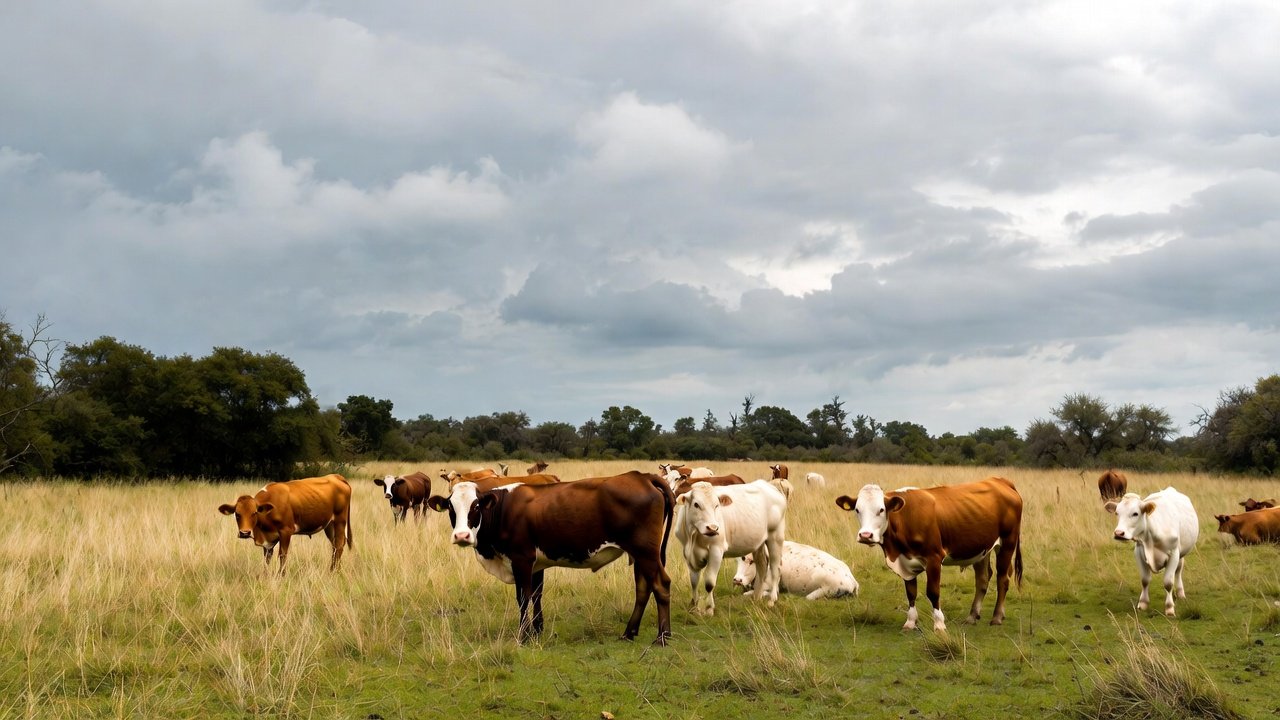
In the UK, grass-fed cattle are raised primarily on pasture, eating grass and forage rather than grain-based feeds. This distinction matters for both ethical and compositional reasons.
Grass-fed beef tallow tends to be:
- Cleaner and more stable
- Lower in inflammatory residues
- More consistent in fatty acid profile
From a skincare perspective, grass-fed sourcing prioritises purity over yield.
Grass-fed vs conventional tallow
| Grass-Fed Beef Tallow | Conventional Beef Tallow |
|---|---|
| Pasture-raised cattle | Grain-fed or mixed diets |
| Cleaner lipid profile | Variable composition |
| Often small-batch rendered | Industrial rendering |
| Preferred for skincare | Commonly food-grade |
For topical use, sourcing quality is not optional—it is foundational.
Why Grass-Fed Beef Tallow Matters
Skin compatibility
Human skin produces sebum to protect and regulate itself. Beef tallow’s fatty acid composition closely resembles this natural lipid barrier, which may explain why many people find it well tolerated.
Key naturally occurring components include:
- Oleic acid
- Palmitic acid
- Stearic acid
These fats are already present in healthy skin, making tallow a familiar substance rather than a foreign one.
Ingredient minimalism
Grass-fed beef tallow stands out for what it does not require:
- No preservatives
- No stabilisers
- No synthetic fragrance
- No emulsifiers
For individuals managing ingredient sensitivities, fewer variables often mean fewer reactions.
Sustainability and ethical sourcing
In the UK, grass-fed tallow supports:
- Regenerative pasture farming
- Whole-animal utilisation
- Reduced waste in meat production
Rather than creating demand for new extraction, tallow gives value to an existing by-product.
Skin Benefits of Grass-Fed Beef Tallow
It is important to avoid absolute claims. Skin responds individually. However, people who choose grass-fed beef tallow often do so for consistent, practical reasons.
1. Supports the skin barrier
Tallow functions as an occlusive and emollient, helping reduce moisture loss while softening the outer layers of skin.
This can be particularly useful during:
- Cold UK winters
- Low-humidity indoor heating
- Periods of skin stress or over-exfoliation
2. Naturally stable without preservatives
Grass-fed tallow is resistant to oxidation. Unlike many plant oils, it does not require synthetic preservatives to remain shelf-stable.
This stability is one reason tallow has been used for centuries.
3. Well suited to sensitive skin routines
Many people with reactive skin prefer products with:
- One primary ingredient
- No scent
- No essential oils
Pure grass-fed tallow meets these criteria naturally.
4. Highly versatile
Tallow can be used as:
- A daily moisturiser
- A night balm
- A hand and body barrier cream
- A base for homemade skincare
Its richness means only a small amount is needed.
Top Sources of Grass-Fed Beef Tallow in the UK
Sourcing matters. Not all tallow is suitable for skincare.
What to look for when sourcing tallow
When searching for grass-fed beef tallow in the UK, prioritise:
- Clearly labelled grass-fed or pasture-raised origin
- Suet-based tallow rather than mixed fat
- Small-batch or slow rendering
- Transparent sourcing information
Avoid tallow that is:
- Deodorised through chemical processes
- Bleached
- Industrially refined
Common UK sourcing options
1. Local butchers
Many independent UK butchers sell suet or rendered tallow upon request. This offers:
- Traceable sourcing
- Local supply chains
- Freshness
Always ask how the cattle were raised.
2. Regenerative farms
Some UK farms specialising in pasture-raised beef also produce tallow for skincare or cooking. These sources often align strongly with sustainability values.
3. Specialist skincare brands
A small number of natural skincare brands, including Origin, work directly with grass-fed suppliers to produce tallow-based formulations designed specifically for skin use.
This removes uncertainty around processing quality.
Common Myths and Misunderstandings
“Is beef tallow greasy?”
Tallow is rich, but when applied correctly—on slightly damp skin and in small amounts—it absorbs gradually rather than sitting on the surface.
“Will it clog pores?”
Skin response varies. Tallow’s similarity to sebum may help explain why some people tolerate it better than heavier plant butters. Patch testing is always recommended.
“Does it smell like meat?”
Properly rendered grass-fed suet tallow has a mild, neutral scent. Strong odours usually indicate poor-quality fat or improper rendering.
“Is animal fat outdated?”
Many modern ingredients are relatively new. Tallow, by contrast, has centuries of documented topical use. Longevity is not proof—but it is context.
How Grass-Fed Beef Tallow Fits Into Real Life
Minimalist skincare routines
Grass-fed tallow suits people who prefer:
- One moisturiser instead of several steps
- Ingredient transparency
- Seasonal skin support
It is often used alone or alongside a gentle cleanser.
Cold-weather skin protection
In the UK climate, tallow can act as a barrier cream during colder months, particularly for:
- Hands
- Face
- Exposed skin
DIY skincare formulations
Many people use grass-fed tallow as a base for:
- Whipped balms
- Herbal salves
- Lip care
Simple additions like beeswax or olive oil can adjust texture without complicating the formula.
Traditional Wisdom and Modern Skincare
Traditional use of tallow
Historically, tallow was:
- Locally sourced
- Freshly rendered
- Used daily for skin protection
Its purpose was practical, not cosmetic.
Modern skincare perspectives
Modern formulations often prioritise:
- Sensory feel
- Shelf life across climates
- Multi-active ingredient lists
Neither approach is inherently better. Grass-fed tallow simply represents a different philosophy—one rooted in function and familiarity.
Where Origin Fits In
At Origin, we approach grass-fed beef tallow with respect for both tradition and modern skin needs.
Our focus includes:
- Carefully sourced grass-fed tallow
- Gentle processing methods
- Formulations designed for sensitive skin
Rather than adding complexity, we aim to preserve the integrity of the ingredient itself.
You may find it useful to explore:
- Our educational articles on tallow skincare
- Skin barrier-focused content
- Products formulated with minimal, purposeful ingredients
Suitability always comes before promotion.
Frequently Asked Questions
Is grass-fed beef tallow better than regular tallow for skincare?
Grass-fed sourcing generally offers a cleaner, more consistent fat profile and aligns better with sustainability values.
Can I use grass-fed tallow on my face?
Many people do, particularly those with dry or sensitive skin. Patch testing is recommended, especially for acne-prone skin.
Is grass-fed beef tallow ethical?
When sourced from pasture-raised cattle and used as a by-product, it supports whole-animal use and reduces waste.
How should tallow skincare be stored?
Store in a cool, dry place away from direct sunlight. Properly rendered tallow is naturally shelf-stable.
Conclusion
Grass-fed beef tallow in the UK represents a return to something quietly effective. Not a miracle solution, and not for everyone—but a grounded option for those seeking simplicity, transparency, and skin familiarity.
Its value lies in its origin, its restraint, and its long-standing relationship with human skin. Whether sourced locally or through a trusted skincare brand, grass-fed tallow invites a slower, more intentional approach to skincare.
As always, listening to your skin matters more than following trends.
Suggested Internal and External Links
Internal link suggestions (Origin):
- How to Build a Daily Natural Skincare Routine (Step-by-Step)
- The Complete Guide to Grass-Fed Organic Tallow Skincare
- Why Your Skin Barrier Matters and How Tallow Helps