
Skincare Myths Debunked: Natural vs Synthetic Ingredients
-
By Igor Kapler
Introduction
Skincare is surrounded by myths and misconceptions, particularly when it comes to natural versus synthetic ingredients. Many people assume that “natural” automatically means safe and effective, while “synthetic” implies harm. In reality, the truth is far more nuanced. Understanding the differences can help you make informed choices, build routines that work for your skin, and avoid unnecessary frustration or expense.
This guide explores common skincare myths, explains the science behind natural and synthetic ingredients, and provides practical tips for building a balanced, effective routine.
Understanding Natural vs Synthetic Ingredients
Natural ingredients come directly from plants, animals, or minerals. Examples include:
- Plant oils (jojoba, rosehip, argan)
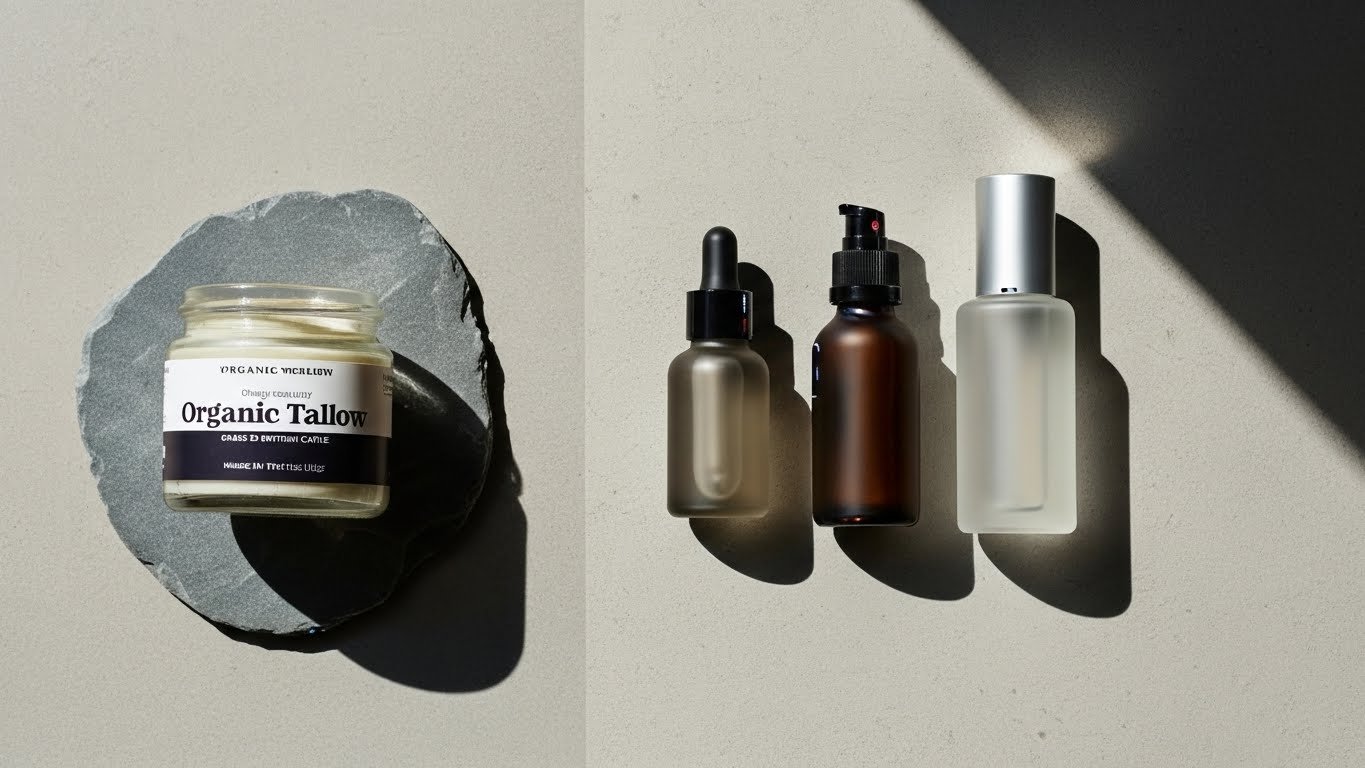
- Grass-fed tallow
- Botanical extracts and butters
- Mineral pigments and clays
Synthetic ingredients are created through chemical processes but can closely mimic natural compounds. Examples include:
- Hyaluronic acid (lab-produced)
- Vitamin C derivatives
- Emollients like squalane (often lab-made for purity)
The key distinction is not inherently good versus bad—both types can be safe, effective, or irritating depending on formulation, concentration, and skin type.
Why This Matters
Understanding ingredient myths has practical benefits:
- Protects sensitive skin: Avoiding unnecessary triggers reduces redness and irritation.
- Supports effective routines: Choosing ingredients based on function, not marketing, improves results.
- Encourages sustainability: Natural and synthetic ingredients have varying environmental impacts; knowledge allows conscious choices.
- Builds long-term skin health: Balanced, well-formulated products maintain barrier integrity and hydration.
Key Insights and Learnings
Myth 1: Natural Ingredients Are Always Safer
- Natural compounds can still irritate or cause allergic reactions (e.g., essential oils, citrus extracts).
- Purity doesn’t guarantee compatibility; concentration and formulation matter.
Myth 2: Synthetic Ingredients Are Harmful
- Many synthetics are identical to natural molecules but offer greater stability, purity, and shelf life.
- Synthetic humectants, emollients, and antioxidants can effectively support sensitive skin without the variability of natural sources.
Myth 3: Natural Products Work Faster
- Natural ingredients support skin gently and gradually. Expect subtle, cumulative benefits rather than immediate transformation.
- Synthetic actives may provide faster results but can also be more aggressive, requiring careful use.
Myth 4: Only One Type Should Be Used
- Modern skincare blends natural and synthetic ingredients for optimal effect.
- A balanced combination often supports hydration, barrier function, and overall skin health better than relying exclusively on one type.
How to Apply This Knowledge in Real Life
Step-by-Step Routine Tips
- Assess your skin: Note sensitivity, dryness, or reactivity.
- Choose gentle cleansers: Plant-based or tallow soaps are ideal; synthetic mild surfactants can also work.
- Select moisturisers carefully: Look at fatty acid profile and barrier-supporting properties rather than origin.
- Introduce active ingredients gradually: Whether natural (aloe, green tea) or synthetic (hyaluronic acid, vitamin C derivatives).
- Patch-test new products: Always test before full-face use to avoid irritation.
Lifestyle Integration
- Use fewer, higher-quality products for simplicity.
- Rotate treatments seasonally or as skin needs change.
- Avoid marketing claims that promise instant results or demonise one type of ingredient.
Traditional vs Modern Approaches
- Traditional skincare: Often relied on natural ingredients like tallow, plant oils, and clays. Focused on support and protection over quick fixes.
- Modern skincare: Incorporates both natural and synthetic molecules to achieve stability, targeted action, and predictable results.
The best approach combines the wisdom of traditional practices with modern formulation science—prioritising skin barrier support, hydration, and microbiome balance.
Common Questions and Misconceptions
1. Is natural skincare always eco-friendly?
Not necessarily. Harvesting practices, transport, and packaging all influence environmental impact.
2. Can synthetic ingredients be used by sensitive skin?
Yes. Many lab-created ingredients are highly purified and less likely to trigger reactions than some natural extracts.
3. Should I avoid synthetic preservatives in natural products?
Preservatives are essential for safety. Without them, products may harbour harmful microbes. Natural alternatives exist, but stability varies.
4. Are natural ingredients better for anti-ageing?
Both natural and synthetic actives can support skin resilience. Effectiveness depends on concentration, formulation, and consistent use.
Practical Product Mentions
Origin’s product range blends natural and carefully selected synthetic ingredients for efficacy and gentleness:
- Grass-Fed Organic Tallow Balm: Moisturiser supporting hydration and barrier function.
- Gentle Cleansing Soap: Plant-based formula suitable for daily use.
- Botanical Facial Oil: Combines natural oils with stabilised antioxidants for balanced care.
These products demonstrate that a combination of natural and synthetic ingredients can create safe, effective routines.
Frequently Asked Questions
1. Can I mix natural and synthetic products in one routine?
Yes. The key is compatibility and minimal overuse of activities.
2. How do I know which ingredients are right for me?
Focus on skin type, barrier condition, and sensitivity rather than origin. Look for stability, purity, and supporting science.
3. Are natural products better for sensitive skin?
Not always. Gentle formulation is more important than whether ingredients are natural or synthetic.
4. Should I avoid products with chemicals?
“Chemical” does not equal harmful. Everything, natural or synthetic, is made of chemicals. Focus on safety, testing, and skin compatibility.
Conclusion
Skincare myths around natural and synthetic ingredients can be confusing. Understanding the facts allows you to choose products based on safety, efficacy, and skin support rather than marketing claims. Both natural and synthetic ingredients have a role in modern routines. When used thoughtfully, they help maintain hydration, protect the barrier, and nurture long-term skin health. A balanced, well-informed approach is the key to radiant, resilient skin.
Suggested Internal & External Links
Internal Links:
- Why Your Skin Barrier Is Damaged – And How to Heal It Naturally
- Natural Skincare for Eczema: What Actually Works?
- Natural Skincare for Kids: What’s Safe and What to Avoid
External Links:
2 Comments