
The Science Behind Tallow’s Skin-Friendly Fatty Acids
-
By Igor Kapler
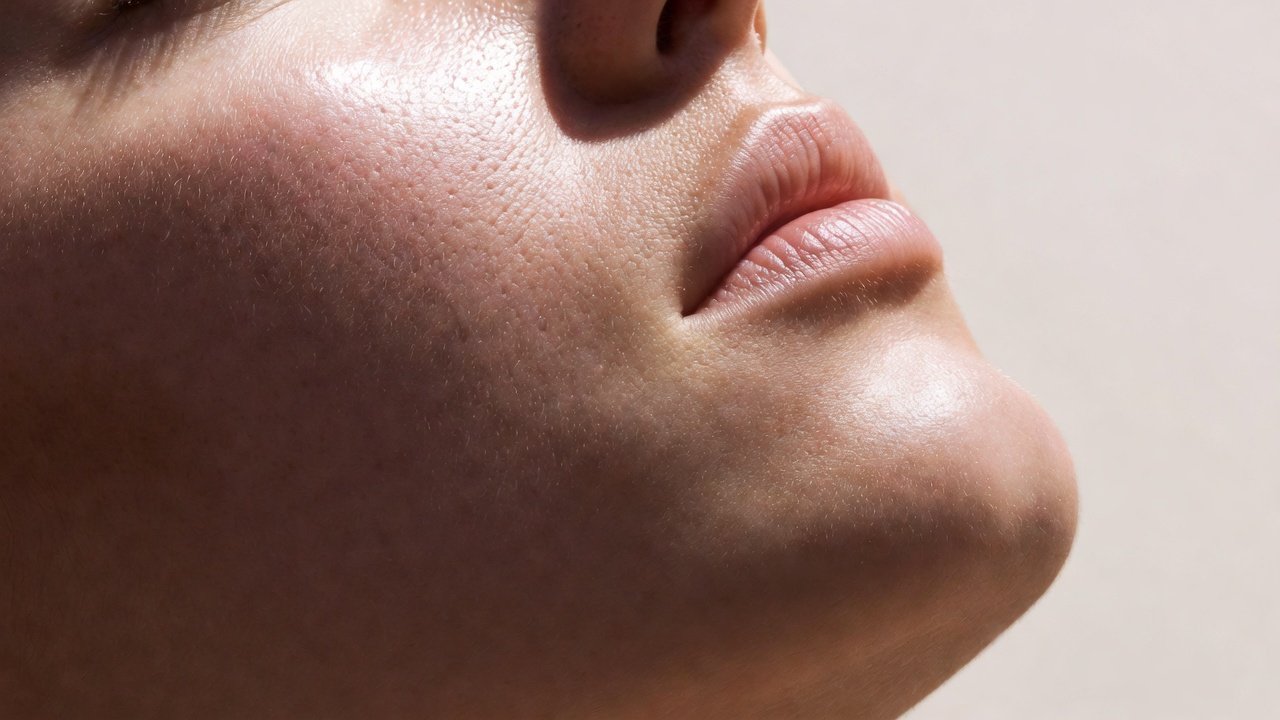
For centuries, animal fats were a cornerstone of traditional skincare. Long before laboratories and synthetic emulsifiers, people relied on rendered fats to protect, nourish, and soften their skin. Today, tallow is quietly re-emerging — not as a trend, but as a material rediscovered through both ancestral wisdom and modern skin science.
If you have sensitive, reactive, or easily disrupted skin, you may have noticed that more complex formulations are not always better. This has led many people to ask a simple but important question: why does tallow feel so compatible with human skin?
The answer lies in its fatty acid profile — and how closely it mirrors the structure and needs of our own skin barrier.
Understanding Tallow and Its Fatty Acids
What is tallow?
Tallow is a rendered fat, traditionally sourced from grass-fed cattle. When gently purified, it becomes a stable, shelf-safe fat that has been used historically for cooking, candle making, soap, and skin care.
In topical skincare, tallow is valued not for fragrance or novelty, but for its biochemical familiarity to human skin.
What are fatty acids?
Fatty acids are the building blocks of fats and oils. In skincare, they play essential roles in:
- Supporting the skin barrier
- Reducing transepidermal water loss
- Maintaining softness and flexibility
- Supporting overall skin comfort
Human sebum — the natural oil produced by our skin — is largely composed of fatty acids. This is where tallow becomes particularly interesting.
Why Tallow’s Fatty Acid Profile Matters
Modern skincare often focuses on isolated actives. Tallow, by contrast, delivers a naturally balanced matrix of fatty acids in ratios that closely resemble those found in human skin lipids.
This similarity is key.
When skin recognises a substance as “familiar,” it is often better tolerated — especially by skin that is sensitive, compromised, or over-exfoliated.
Key reasons tallow’s fatty acids matter:
- They align closely with the lipid structure of the stratum corneum
- They help reinforce, rather than override, the skin barrier
- They support comfort without forcing biological change
Key Fatty Acids Found in Tallow (And What They Do)
Oleic Acid (Omega-9)
Oleic acid is one of the most abundant fatty acids in both tallow and human sebum.
Role in skincare:
- Supports skin softness and flexibility
- Enhances spreadability of formulations
- Helps reduce moisture loss
Oleic acid is especially beneficial for dry or mature skin types that lack natural oils.
Palmitic Acid
Palmitic acid is a saturated fatty acid naturally present in the outer layers of human skin.
Role in skincare:
- Supports barrier structure
- Contributes to a smooth, protective feel
- Helps maintain skin resilience
Its presence helps explain why tallow feels protective without being occlusive.
Stearic Acid
Stearic acid provides structure and stability, both in skincare formulations and on the skin itself.
Role in skincare:
- Supports barrier integrity
- Adds firmness and richness to creams and balms
- Helps protect against environmental stress
This fatty acid is particularly useful for compromised or weather-exposed skin.
Linoleic Acid (Omega-6)
Though present in smaller amounts, linoleic acid plays a vital role in barrier health.
Role in skincare:
- Supports healthy ceramide production
- Helps maintain balanced skin function
- Often deficient in acne-prone or inflamed skin
Balanced levels are key — and tallow provides linoleic acid without overwhelming the skin.
Why This Matters for Sensitive or Problem Skin
Many people with sensitive skin struggle not because of a lack of products, but because their skin barrier is repeatedly disrupted.
Tallow’s fatty acid composition supports skin in a fundamentally different way:
- It nourishes rather than stimulates
- It protects without sealing the skin unnaturally
- It works with skin biology, not against it
This makes tallow particularly relevant for:
- Reactive skin
- Over-exfoliated skin
- Skin recovering from long-term product overload
Common Myths and Misunderstandings
“Animal fats clog pores”
Comedogenicity depends on formulation, skin type, and balance — not origin alone. Tallow’s fatty acids are similar to those already present in human sebum, which often makes it more compatible than heavily processed plant oils.
“Tallow is outdated”
Traditional does not mean ineffective. Many modern ingredients are novel, not necessarily superior. Tallow has endured because it works within the body’s existing systems.
“Plant oils are always better”
Plant oils can be beneficial, but they often contain high levels of polyunsaturated fatty acids that oxidise easily. Tallow’s stability makes it well-suited for barrier-focused skincare.
How Tallow’s Fatty Acids Work in Everyday Skincare
In practical use, tallow-based skincare often feels:
- Instantly comforting
- Deeply nourishing without heaviness
- Supportive over time rather than stimulating
It can be used in simple routines where the focus is on restoring balance, such as:
- After cleansing, on slightly damp skin
- As a barrier balm during cold or windy weather
- As a minimalist moisturiser for sensitive skin
Traditional Wisdom vs Modern Skincare Science
Traditional use
Historically, tallow was used because it was:
- Accessible
- Stable
- Effective
People observed its effects long before understanding fatty acid profiles.
Modern understanding
Today, skin science helps explain why it worked:
- Skin barrier lipids require specific fatty acids
- Over-complex formulas can disrupt natural function
- Simpler compositions often improve tolerance
Rather than opposing each other, tradition and science meet in the middle.
Where Tallow Fits Within Origin’s Philosophy
At Origin, skincare is guided by simplicity, ingredient integrity, and respect for skin biology.
Tallow aligns with this approach because it is:
- Minimal
- Functional
- Rooted in traditional practice
- Supported by modern understanding of skin lipids
When sourced responsibly and formulated with care, it becomes a meaningful option for people seeking less, not more.
Frequently Asked Questions
Is tallow suitable for daily facial use?
For many people, yes — particularly those with dry or sensitive skin. As with any skincare product, patch testing is recommended.
Does tallow feel heavy on the skin?
Properly rendered and well-formulated tallow absorbs gradually and leaves a protective, breathable feel rather than a greasy residue.
Can tallow be used alongside modern skincare products?
Yes. Many people simplify their routines by using tallow as a primary moisturiser while retaining gentle cleansers or mineral sunscreens.
Is tallow sustainable?
When sourced as a by-product of responsible farming, tallow supports a low-waste, whole-animal approach rather than contributing to excess production.
Conclusion
The renewed interest in tallow is not about nostalgia. It is about recognising that skin thrives when supported, not overwhelmed.
Tallow’s skin-friendly fatty acids offer a rare combination of biological compatibility, stability, and simplicity. For those seeking skincare that respects the skin barrier and honours time-tested materials, understanding the science behind tallow reveals why this traditional fat still holds relevance today.
Sometimes, moving forward begins by looking back — with clearer eyes and better understanding.
Suggested Internal Links
- Skincare Myths Debunked: Natural vs Synthetic Ingredients
- Why Your Skin Barrier Is Damaged – And How to Heal It Naturally
- How to Build a Daily Natural Skincare Routine (Step-by-Step)