
Mixing Tallow with Essential Oils: Best Blends for Skin
-
By Igor Kapler
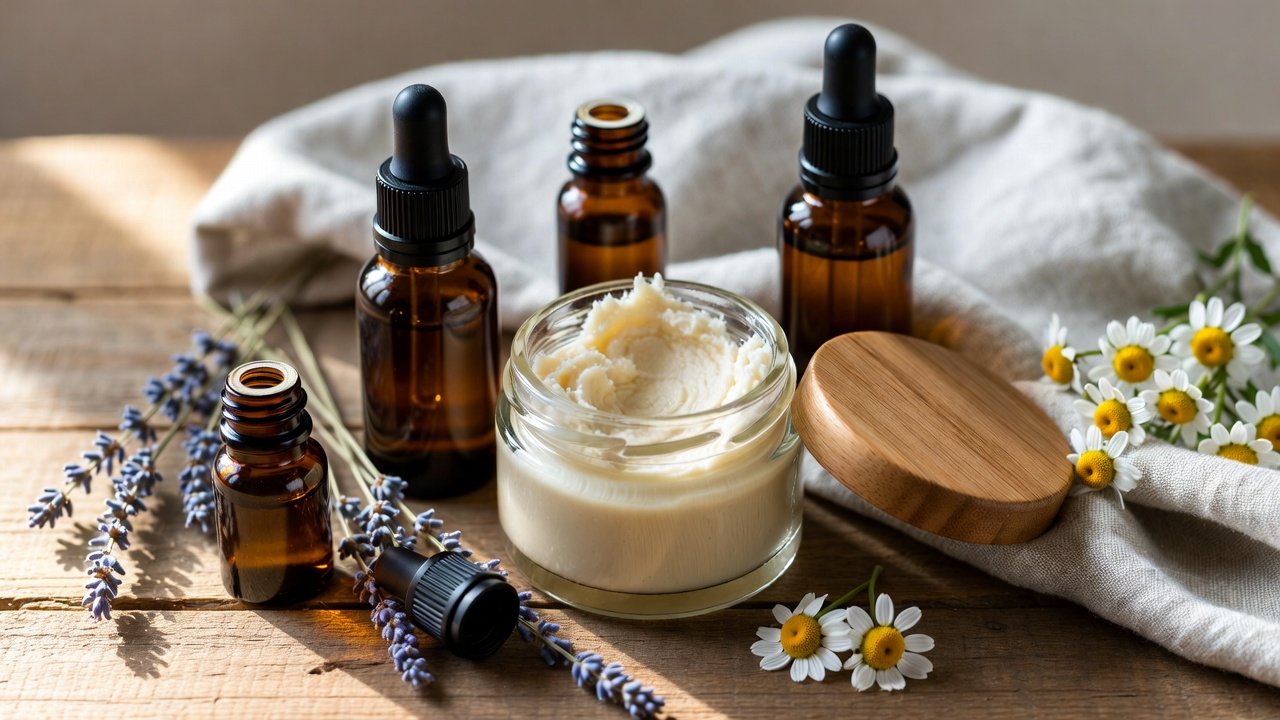
In recent years, more people across the UK have begun questioning what truly belongs on their skin. Complicated ingredient lists. Synthetic fragrances. Preservatives that irritate rather than support.
At Origin, we often hear a simple question:
Can I mix tallow with essential oils — and if so, what are the best blends for skin?
The short answer is yes.
The better answer is: when done thoughtfully, combining grass-fed tallow with carefully selected essential oils can create deeply supportive, minimalist skincare rooted in both tradition and modern understanding.
This guide explores how to blend them safely, which essential oils work best for different skin types, and how to honour the skin’s natural balance rather than overwhelm it.
Understanding Tallow and Essential Oils
What Is Tallow in Skincare?
Tallow is rendered beef fat, traditionally used for centuries as a skin balm. Before laboratory-engineered creams, people relied on whole-animal nourishment — including fat — for skin protection and repair.
Properly rendered, grass-fed tallow contains:
- Fat-soluble vitamins (A, D, E, K)
- Stearic and oleic acids
- Lipids structurally similar to human sebum
Because its fatty acid profile resembles our own skin barrier, it absorbs readily and supports moisture retention without synthetic emulsifiers.
If you’re new to this concept, you may enjoy our article on [Why Tallow’s Fatty Acids Resemble Human Sebum].
What Are Essential Oils?
Essential oils are concentrated plant extracts obtained through steam distillation or cold pressing. They capture the aromatic compounds and volatile molecules of plants.
These compounds may offer:
- Aromatherapeutic effects
- Skin-balancing properties
- Mild antimicrobial activity
- Soothing or clarifying benefits
However, essential oils are potent. They are not “just natural fragrance.” When misused, they can irritate sensitive or compromised skin.
The key lies in dilution and intentional blending.
Why Mixing Tallow with Essential Oils Matters
When thoughtfully paired, tallow and essential oils create a synergy:
- Tallow provides nourishment and structure
- Essential oils offer targeted botanical support
This matters today for several reasons:
1. Simplicity Over Complexity
Modern skincare often relies on long ingredient lists. A tallow-based balm with one or two essential oils can reduce exposure to unnecessary additives.
2. Barrier-First Skincare
Skin health begins with the barrier. Tallow supports lipid integrity. Certain essential oils may complement this without disrupting balance when used sparingly.
3. Sustainable Ingredient Sourcing
Grass-fed tallow is often a by-product of regenerative agriculture. When sourced responsibly, it honours whole-animal use and reduces waste.
4. Fragrance Without Synthetic Perfume
Many people with sensitive skin react to synthetic fragrance blends. Carefully diluted essential oils can provide a subtle scent profile derived directly from plants.
For deeper reading on essential oil safety, organisations such as the Tisserand Institute offer evidence-based guidance.
Best Essential Oil Blends for Different Skin Types
Below are balanced suggestions rooted in traditional use and contemporary safety recommendations. Always perform a patch test and keep total dilution within 0.5–1% for facial use.
1. For Dry or Mature Skin
Goal: Support moisture, comfort and suppleness.
Best essential oils:
- Frankincense (Boswellia carterii)
- Lavender (Lavandula angustifolia)
- Rose (Rosa damascena) – in very low dilution
Why these work well with tallow:
- Frankincense has long been valued for its calming, toning properties.
- Lavender supports skin comfort and is generally well tolerated.
- Rose offers gentle aromatic richness for mature skin.
Simple blend example (for 50g tallow balm):
- 2 drops frankincense
- 2 drops lavender
(Approx. 0.5% dilution)
2. For Sensitive or Reactive Skin
Goal: Soothe without stimulating.
Best essential oils:
- Roman chamomile
- Lavender (in very low dilution)
- Helichrysum
Sensitive skin requires restraint. Sometimes, plain unscented tallow is best.
If adding essential oils:
- Keep total dilution at 0.25–0.5%
- Avoid citrus oils
- Avoid strong herbal oils like thyme or oregano
If your skin barrier is compromised, start with unscented formulations such as our [Pure Grass-Fed Tallow Balm] before introducing essential oils.
3. For Oily or Blemish-Prone Skin
It may seem counterintuitive, but oil-based balms can support oily skin by reducing overproduction triggered by stripping cleansers.
Best essential oils:
- Tea tree (Melaleuca alternifolia)
- Geranium
- Clary sage
Tea tree has been studied for its antimicrobial properties and is often referenced by sources such as the National Center for Biotechnology Information (NCBI) in relation to blemish-prone skin.
Keep dilution conservative:
- 1 drop tea tree
- 1 drop geranium
per 30–50g tallow
Balance is everything.
4. For Everyday Family Use
If you want a universally gentle blend:
- Lavender
- Sweet orange (cold pressed, low dilution, avoid sun exposure immediately after use)
Keep citrus oils below 0.5% for facial products and be mindful of photosensitivity.
How to Safely Mix Tallow with Essential Oils
Safety is not optional. Essential oils are concentrated.
Follow These Principles:
- Always dilute properly
- Face: 0.25–1%
- Body: up to 2%
- Use high-quality oils
- Organic or ethically sourced
- Proper botanical naming
- No synthetic fragrance blends
- Blend into cooled, soft tallow
- Melt tallow gently
- Allow to cool slightly
- Stir in essential oils before setting
- Patch test first
- Apply to inner arm
- Wait 24 hours
- Avoid during pregnancy without professional advice
If in doubt, simpler is better.
Common Myths About Mixing Tallow and Essential Oils
“If it’s natural, it’s automatically safe.”
Not true. Poison ivy is natural. Concentration determines safety.
Essential oils must be diluted properly to prevent irritation.
“More drops mean stronger results.”
More is not better. Skin responds best to gentle support, not overload.
“Tallow will clog pores.”
Tallow’s fatty acid profile is similar to human sebum. For many people, it absorbs well when used in appropriate amounts. Skin response varies, but it is not inherently pore-clogging.
“Essential oils preserve the balm.”
Essential oils are not reliable preservatives. Tallow balms are typically anhydrous (water-free), which reduces microbial risk, but they should still be stored properly in a cool place.
How This Applies in Real Life
You do not need a 10-step routine.
A simple evening ritual could look like:
- Cleanse gently.
- Apply a pea-sized amount of tallow balm.
- Warm between palms.
- Press into damp skin.
- Allow to absorb overnight.
If using a scented blend, keep the aroma subtle. Skincare should feel grounding, not overpowering.
For those exploring ingredient-led skincare, you may also find value in our article on [How to Build a Minimalist Skincare Routine].
Natural Tradition vs Modern Formulation
Traditional skincare relied on:
- Whole fats
- Herbal infusions
- Simple balms
Modern skincare often relies on:
- Emulsifiers
- Synthetic stabilisers
- Artificial fragrance systems
- Preservative complexes
Neither approach is inherently wrong. The difference lies in philosophy.
Ancestral skincare prioritised compatibility and nourishment. Modern skincare prioritises texture and shelf stability.
At Origin, we lean toward simplicity — but informed by current safety standards.
When to Skip Essential Oils Entirely
There are times when plain tallow is best:
- Compromised barrier
- Rosacea-prone skin
- Post-procedure skin
- Babies and young children
- Highly reactive individuals
Unscented does not mean inferior. It often means respectful.
If you prefer pre-formulated options, our [Unscented Everyday Tallow Cream] was created for this very reason.
Frequently Asked Questions
Can I mix essential oils directly into tallow at home?
Yes, but measure carefully. Keep dilution between 0.25–1% for facial use and ensure oils are thoroughly blended into cooled tallow.
Which essential oil is best for ageing skin?
Frankincense and lavender are commonly used for mature skin. However, ageing skin often benefits most from barrier support rather than stimulation.
Is tallow safe for acne-prone skin?
Many people with oily skin tolerate tallow well because of its sebum-like structure. Start with a small amount and observe how your skin responds.
How long does tallow with essential oils last?
When stored in a cool, dark place, anhydrous tallow balms typically last 6–12 months. Avoid introducing water into the jar.
Can essential oils irritate sensitive skin?
Yes. Even gentle oils like lavender can irritate some individuals. Always patch test.
Internal Link Suggestions
- How Origin’s Ingredients Are Sourced (From Farm to Skin)
- Exploring the History of Tallow in Traditional Skincare
- Real Customer Stories: Natural Skincare Transformations
External Authoritative Resources
- The Best Essential Oils to Mix with Tallow for Custom Skincare Blends
- How Tallow Blends with Natural Oils
Conclusion
Mixing tallow with essential oils is less about fragrance and more about intention.
Tallow offers structure.
Essential oils offer nuance.
Together, when used sparingly and thoughtfully, they create a skincare approach rooted in respect — for the skin, for nature, and for tradition.
You do not need complexity to care for your skin.
Sometimes, nourishment and simplicity are enough.
Explore slowly. Blend gently. Listen to your skin.
That is where real balance begins.