Tallow for Baby Skin Rash: Gentle and Effective?
-
By Igor Kapler
Tallow for Baby Skin Rash: Gentle and Effective?
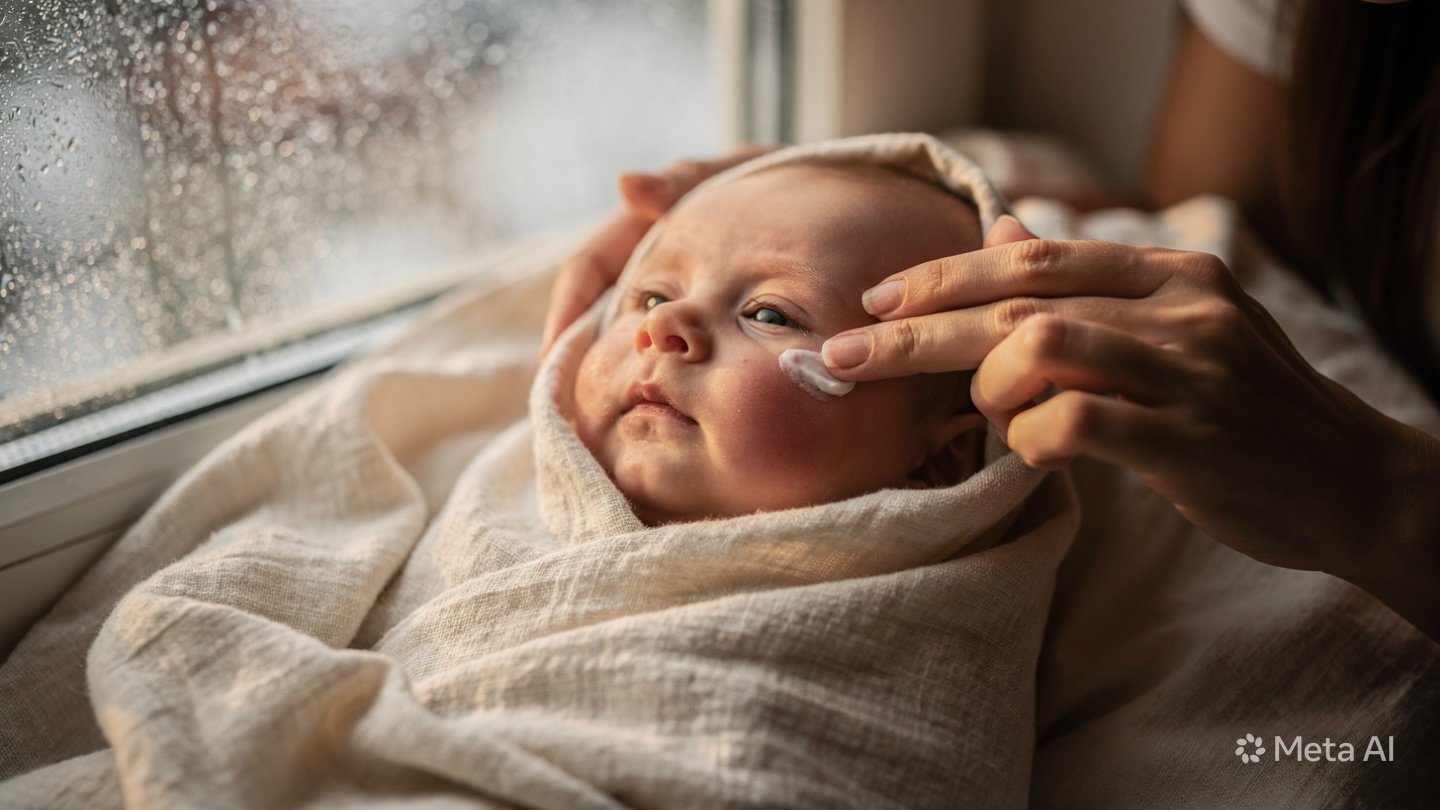
Parents today are becoming increasingly cautious about what touches their baby’s skin. From heavily fragranced creams to long ingredient lists filled with unfamiliar chemicals, many families are stepping back and asking a simpler question:
What does delicate skin actually need?
That question has helped revive interest in traditional skincare ingredients like beef tallow. Once used for generations in balms and salves, tallow is now returning to modern skincare conversations — especially among parents looking for minimal, nourishing support for dry or irritated skin.
But when it comes to babies, caution matters. So where does tallow fit in? Can a tallow balm support skin prone to dryness and irritation? And why are some parents choosing it over conventional baby creams?
Let’s explore the science, tradition, and growing interest behind tallow for baby skin rash.
Understanding Baby Skin and Why Rashes Happen
Baby skin is thinner, more delicate, and more absorbent than adult skin. It also loses moisture more easily.
This means a baby’s skin barrier can become irritated quickly from everyday triggers such as:
- Drool and saliva
- Cold weather
- Frequent wiping
- Fragranced products
- Synthetic fabrics
- Heat and sweat
- Harsh detergents
- Long baths
Many common baby rashes are linked to barrier disruption rather than infection. When skin loses its protective oils and hydration, redness and irritation can appear more easily.
This is one reason why many parents are moving away from aggressive products and focusing instead on barrier-supportive skincare.
What Is Tallow Balm?
Tallow is rendered animal fat, traditionally sourced from beef suet. When purified correctly and formulated for skincare, it creates a rich balm containing naturally occurring fatty acids and fat-soluble vitamins.
In skincare, tallow is valued because its composition closely resembles the lipid structure of human skin.
Tallow typically contains:
- Oleic acid
- Palmitic acid
- Stearic acid
- Small amounts of naturally occurring vitamins A, D, E and K
These components are often discussed in relation to skin barrier support and moisture retention.
Unlike many modern lotions that rely heavily on water and stabilisers, tallow balms are usually anhydrous — meaning they contain no water. This often allows for shorter ingredient lists and fewer preservatives.
For parents trying to simplify skincare routines, that simplicity can feel appealing.
Why Parents Are Exploring Tallow for Baby Skin Rash
Interest in tallow skincare has grown for several reasons.
1. Minimal Ingredients
Many parents prefer products with recognisable ingredients and fewer additives.
A traditional tallow balm may contain only:
- Grass-fed tallow
- Olive oil or jojoba oil
- Beeswax
- Chamomile or calendula infusion
Compared to long conventional ingredient lists, this feels simpler and more transparent to many families.
2. Barrier Support
Dry or irritated baby skin often benefits from products that help reduce moisture loss.
Tallow forms a protective layer over the skin while also softening rough or flaky areas.
This can be especially useful during:
- Winter weather
- Teething stages
- Wind exposure
- Overnight dryness
3. Fragrance-Free Preference
Many mainstream baby products still contain fragrance.
Even “natural fragrance” blends can irritate sensitive skin in some babies. Parents exploring tallow balms often specifically seek unscented or low-irritation formulations.
4. Traditional Wisdom
Long before modern skincare existed, animal fats were commonly used to protect skin from harsh climates and dryness.
Today’s renewed interest in ancestral skincare reflects a broader shift toward simpler, ingredient-led routines.
Does Tallow Actually Help Calm Irritated Skin?
There is currently limited direct clinical research specifically studying tallow balm for baby rash.
However, there is growing interest in how lipid-rich moisturisers support the skin barrier.
Skin experts widely recognise that maintaining hydration and protecting the barrier are important parts of caring for dry, reactive skin.
This does not mean tallow “treats” medical conditions. But many parents report that rich, nourishing balms help comfort skin prone to dryness and irritation.
Anecdotally, parents often describe tallow balm as:
- Softening flaky areas
- Supporting dry cheeks
- Helping protect skin during cold weather
- Reducing tightness from dryness
- Feeling gentler than heavily perfumed creams
The experience will vary depending on:
- The formulation quality
- Added ingredients
- The child’s skin sensitivity
- Environmental factors
Why Skin Lipids Matter for Babies
Baby skin naturally contains protective fats known as lipids.
These lipids help:
- Hold moisture in
- Defend against external irritation
- Maintain softness and flexibility
When the skin barrier becomes compromised, water escapes more easily. This is sometimes called transepidermal water loss (TEWL).
Research on skin barrier health increasingly highlights the importance of replenishing and protecting these natural oils.
Because tallow contains skin-compatible fatty acids, some skincare formulators believe it may work harmoniously with the skin’s natural structure.
This “bioidentical” concept is one reason tallow has gained attention in natural skincare circles.
Common Misunderstandings About Tallow for Babies
“Isn’t tallow too heavy for baby skin?”
Not necessarily.
A properly rendered tallow balm can absorb surprisingly well when applied in small amounts. Texture depends heavily on formulation quality and accompanying oils.
Using too much product may feel greasy, but a thin layer is often enough.
“Animal fat sounds unsafe.”
High-quality skincare tallow is purified and cosmetic-grade.
In the UK and EU, cosmetic ingredients must comply with strict safety regulations regarding sourcing and manufacturing.
When choosing a balm, transparency matters. Look for:
- Grass-fed sourcing
- Cosmetic-grade preparation
- Clear ingredient lists
- Small-batch production
- Fragrance-free formulas for sensitive skin
“Natural means allergy-free.”
Not always.
Even natural ingredients can trigger sensitivity in some individuals.
That’s why patch testing is important, especially for babies with highly reactive skin.
“Every baby rash needs moisturiser.”
Some rashes require medical assessment.
If irritation is severe, persistent, oozing, infected-looking, or causing distress, professional guidance matters.
Skincare should support — not replace — appropriate medical care when needed.
How to Use Tallow Balm for Dry or Irritated Baby Skin
Parents often prefer to keep routines extremely simple.
A minimalist routine may look like this:
After Bath Time
- Pat skin dry gently
- Apply a small amount of balm while skin is slightly damp
- Focus on dry areas only
For Wind or Cold Weather
Apply a thin protective layer before going outdoors, especially on:
- Cheeks
- Chin
- Around the mouth
During Teething
Excess saliva can irritate the skin barrier.
Some parents apply a gentle barrier balm around the mouth before naps or bedtime to reduce moisture-related irritation.
Overnight Support
Skin naturally loses more moisture overnight.
Applying a nourishing balm before bed may help reduce dryness by morning.
Tallow vs Conventional Baby Creams
Both traditional and modern skincare approaches have strengths.
Conventional Creams Often Focus On:
- Lightweight textures
- Fast absorption
- Long shelf life
- Water-based hydration
They may contain:
- Emulsifiers
- Preservatives
- Synthetic fragrance
- Stabilising agents
Traditional Tallow Balms Often Focus On:
- Fewer ingredients
- Rich lipid support
- Barrier protection
- Water-free formulas
Neither approach is automatically “better” for every child.
Some babies do well with conventional creams. Others respond better to simpler formulations.
The key is paying attention to how the skin responds rather than following trends blindly.
What to Look for in a High-Quality Tallow Balm
Not all tallow products are equal.
If considering tallow skincare for babies, look for formulas that prioritise simplicity and purity.
A good balm may include:
- Grass-fed tallow
- Gentle oils like jojoba or olive oil
- Calendula or chamomile infusion
- Beeswax for protection
You may want to avoid:
- Strong essential oils
- Heavy fragrance
- Artificial colouring
- Overly long ingredient lists
For babies, simpler is often better.
Why Simplicity Is Becoming a Skincare Trend
Modern skincare routines can become overwhelming quickly.
Parents are increasingly questioning:
- 10-step routines
- Constant exfoliation
- Strong active ingredients
- Overcomplicated ingredient lists
This has fuelled growing interest in minimalist skincare rooted in nourishment rather than constant correction.
Tallow skincare fits naturally into that movement because it reflects:
- Ingredient transparency
- Traditional wisdom
- Barrier-focused care
- Simplicity over complexity
Frequently Asked Questions
Is tallow balm safe for baby skin?
High-quality, cosmetic-grade tallow balms are generally formulated with sensitive skin in mind. However, every baby’s skin is different, so patch testing first is important.
Can tallow help nappy rash?
Some parents use barrier balms containing tallow for moisture protection. However, persistent or severe nappy rash should always be assessed professionally.
Does tallow clog pores?
Tallow is rich and occlusive, but many users find properly formulated balms absorb well. Skin response varies from person to person.
Should babies use fragranced skincare?
Many parents prefer fragrance-free products for babies because fragrance can sometimes contribute to irritation.
Is grass-fed tallow better?
Grass-fed sourcing is often preferred because of its fatty acid profile and sourcing transparency.
Conclusion
Baby skin does not usually need complicated skincare.
In many cases, gentle cleansing, barrier protection, and moisture support are enough to help maintain soft, comfortable skin.
Tallow balm is gaining attention because it aligns with a growing desire for simpler, more nourishing skincare rooted in traditional wisdom. Its skin-compatible fats, minimal ingredient potential, and rich texture make it appealing for parents seeking a gentler approach.
That said, no single product works for everyone. The goal is not perfection — it is supporting the skin barrier with calm, thoughtful care.
For many families, that means moving away from harsh, heavily fragranced formulas and returning to something simpler.
And sometimes, simpler really is enough.
Suggested Internal Links
- Origin Grass-Fed Tallow Balm for Sensitive Skin
- Why Skin Barrier Health Matters for Babies
- Bioidentical Skin Lipids Explained
- Tallow vs Petroleum-Based Baby Balms
- Fragrance-Free Skincare for Delicate Skin
Suggested External Links
NHS — Common Rashes in Babies and ChildrenParents today are becoming increasingly cautious about what touches their baby’s skin. From heavily fragranced creams to long ingredient lists filled with unfamiliar chemicals, many families are stepping back and asking a simpler question:
National Eczema Society — Understanding Infant Eczema
What does delicate skin actually need?
That question has helped revive interest in traditional skincare ingredients like beef tallow. Once used for generations in balms and salves, tallow is now returning to modern skincare conversations — especially among parents looking for minimal, nourishing support for dry or irritated skin.
But when it comes to babies, caution matters. So where does tallow fit in? Can a tallow balm support skin prone to dryness and irritation? And why are some parents choosing it over conventional baby creams?
Let’s explore the science, tradition, and growing interest behind tallow for baby skin rash.
Understanding Baby Skin and Why Rashes Happen
Baby skin is thinner, more delicate, and more absorbent than adult skin. It also loses moisture more easily.
This means a baby’s skin barrier can become irritated quickly from everyday triggers such as:
- Drool and saliva
- Cold weather
- Frequent wiping
- Fragranced products
- Synthetic fabrics
- Heat and sweat
- Harsh detergents
- Long baths
Many common baby rashes are linked to barrier disruption rather than infection. When skin loses its protective oils and hydration, redness and irritation can appear more easily.
This is one reason why many parents are moving away from aggressive products and focusing instead on barrier-supportive skincare.
What Is Tallow Balm?
Tallow is rendered animal fat, traditionally sourced from beef suet. When purified correctly and formulated for skincare, it creates a rich balm containing naturally occurring fatty acids and fat-soluble vitamins.
In skincare, tallow is valued because its composition closely resembles the lipid structure of human skin.
Tallow typically contains:
- Oleic acid
- Palmitic acid
- Stearic acid
- Small amounts of naturally occurring vitamins A, D, E and K
These components are often discussed in relation to skin barrier support and moisture retention.
Unlike many modern lotions that rely heavily on water and stabilisers, tallow balms are usually anhydrous — meaning they contain no water. This often allows for shorter ingredient lists and fewer preservatives.
For parents trying to simplify skincare routines, that simplicity can feel appealing.
Why Parents Are Exploring Tallow for Baby Skin Rash
Interest in tallow skincare has grown for several reasons.
1. Minimal Ingredients
Many parents prefer products with recognisable ingredients and fewer additives.
A traditional tallow balm may contain only:
- Grass-fed tallow
- Olive oil or jojoba oil
- Beeswax
- Chamomile or calendula infusion
Compared to long conventional ingredient lists, this feels simpler and more transparent to many families.
2. Barrier Support
Dry or irritated baby skin often benefits from products that help reduce moisture loss.
Tallow forms a protective layer over the skin while also softening rough or flaky areas.
This can be especially useful during:
- Winter weather
- Teething stages
- Wind exposure
- Overnight dryness
3. Fragrance-Free Preference
Many mainstream baby products still contain fragrance.
Even “natural fragrance” blends can irritate sensitive skin in some babies. Parents exploring tallow balms often specifically seek unscented or low-irritation formulations.
4. Traditional Wisdom
Long before modern skincare existed, animal fats were commonly used to protect skin from harsh climates and dryness.
Today’s renewed interest in ancestral skincare reflects a broader shift toward simpler, ingredient-led routines.
Does Tallow Actually Help Calm Irritated Skin?
There is currently limited direct clinical research specifically studying tallow balm for baby rash.
However, there is growing interest in how lipid-rich moisturisers support the skin barrier.
Skin experts widely recognise that maintaining hydration and protecting the barrier are important parts of caring for dry, reactive skin.
This does not mean tallow “treats” medical conditions. But many parents report that rich, nourishing balms help comfort skin prone to dryness and irritation.
Anecdotally, parents often describe tallow balm as:
- Softening flaky areas
- Supporting dry cheeks
- Helping protect skin during cold weather
- Reducing tightness from dryness
- Feeling gentler than heavily perfumed creams
The experience will vary depending on:
- The formulation quality
- Added ingredients
- The child’s skin sensitivity
- Environmental factors
Why Skin Lipids Matter for Babies
Baby skin naturally contains protective fats known as lipids.
These lipids help:
- Hold moisture in
- Defend against external irritation
- Maintain softness and flexibility
When the skin barrier becomes compromised, water escapes more easily. This is sometimes called transepidermal water loss (TEWL).
Research on skin barrier health increasingly highlights the importance of replenishing and protecting these natural oils.
Because tallow contains skin-compatible fatty acids, some skincare formulators believe it may work harmoniously with the skin’s natural structure.
This “bioidentical” concept is one reason tallow has gained attention in natural skincare circles.
Common Misunderstandings About Tallow for Babies
“Isn’t tallow too heavy for baby skin?”
Not necessarily.
A properly rendered tallow balm can absorb surprisingly well when applied in small amounts. Texture depends heavily on formulation quality and accompanying oils.
Using too much product may feel greasy, but a thin layer is often enough.
“Animal fat sounds unsafe.”
High-quality skincare tallow is purified and cosmetic-grade.
In the UK and EU, cosmetic ingredients must comply with strict safety regulations regarding sourcing and manufacturing.
When choosing a balm, transparency matters. Look for:
- Grass-fed sourcing
- Cosmetic-grade preparation
- Clear ingredient lists
- Small-batch production
- Fragrance-free formulas for sensitive skin
“Natural means allergy-free.”
Not always.
Even natural ingredients can trigger sensitivity in some individuals.
That’s why patch testing is important, especially for babies with highly reactive skin.
“Every baby rash needs moisturiser.”
Some rashes require medical assessment.
If irritation is severe, persistent, oozing, infected-looking, or causing distress, professional guidance matters.
Skincare should support — not replace — appropriate medical care when needed.
How to Use Tallow Balm for Dry or Irritated Baby Skin
Parents often prefer to keep routines extremely simple.
A minimalist routine may look like this:
After Bath Time
- Pat skin dry gently
- Apply a small amount of balm while skin is slightly damp
- Focus on dry areas only
For Wind or Cold Weather
Apply a thin protective layer before going outdoors, especially on:
- Cheeks
- Chin
- Around the mouth
During Teething
Excess saliva can irritate the skin barrier.
Some parents apply a gentle barrier balm around the mouth before naps or bedtime to reduce moisture-related irritation.
Overnight Support
Skin naturally loses more moisture overnight.
Applying a nourishing balm before bed may help reduce dryness by morning.
Tallow vs Conventional Baby Creams
Both traditional and modern skincare approaches have strengths.
Conventional Creams Often Focus On:
- Lightweight textures
- Fast absorption
- Long shelf life
- Water-based hydration
They may contain:
- Emulsifiers
- Preservatives
- Synthetic fragrance
- Stabilising agents
Traditional Tallow Balms Often Focus On:
- Fewer ingredients
- Rich lipid support
- Barrier protection
- Water-free formulas
Neither approach is automatically “better” for every child.
Some babies do well with conventional creams. Others respond better to simpler formulations.
The key is paying attention to how the skin responds rather than following trends blindly.
What to Look for in a High-Quality Tallow Balm
Not all tallow products are equal.
If considering tallow skincare for babies, look for formulas that prioritise simplicity and purity.
A good balm may include:
- Grass-fed tallow
- Gentle oils like jojoba or olive oil
- Calendula or chamomile infusion
- Beeswax for protection
You may want to avoid:
- Strong essential oils
- Heavy fragrance
- Artificial colouring
- Overly long ingredient lists
For babies, simpler is often better.
Why Simplicity Is Becoming a Skincare Trend
Modern skincare routines can become overwhelming quickly.
Parents are increasingly questioning:
- 10-step routines
- Constant exfoliation
- Strong active ingredients
- Overcomplicated ingredient lists
This has fuelled growing interest in minimalist skincare rooted in nourishment rather than constant correction.
Tallow skincare fits naturally into that movement because it reflects:
- Ingredient transparency
- Traditional wisdom
- Barrier-focused care
- Simplicity over complexity
Frequently Asked Questions
Is tallow balm safe for baby skin?
High-quality, cosmetic-grade tallow balms are generally formulated with sensitive skin in mind. However, every baby’s skin is different, so patch testing first is important.
Can tallow help nappy rash?
Some parents use barrier balms containing tallow for moisture protection. However, persistent or severe nappy rash should always be assessed professionally.
Does tallow clog pores?
Tallow is rich and occlusive, but many users find properly formulated balms absorb well. Skin response varies from person to person.
Should babies use fragranced skincare?
Many parents prefer fragrance-free products for babies because fragrance can sometimes contribute to irritation.
Is grass-fed tallow better?
Grass-fed sourcing is often preferred because of its fatty acid profile and sourcing transparency.
Conclusion
Baby skin does not usually need complicated skincare.
In many cases, gentle cleansing, barrier protection, and moisture support are enough to help maintain soft, comfortable skin.
Tallow balm is gaining attention because it aligns with a growing desire for simpler, more nourishing skincare rooted in traditional wisdom. Its skin-compatible fats, minimal ingredient potential, and rich texture make it appealing for parents seeking a gentler approach.
That said, no single product works for everyone. The goal is not perfection — it is supporting the skin barrier with calm, thoughtful care.
For many families, that means moving away from harsh, heavily fragranced formulas and returning to something simpler.
And sometimes, simpler really is enough.
Suggested Internal Links
- Bioidentical Skin Lipids: Why Tallow Matches Human Sebum
- Beef Tallow Balm Etsy Reviews: Real Customer Experiences
- Baby Skin Isn’t Adult Skin: Why Gentle Skincare Matters