Best Tallow Moisturiser Brands in Europe 2026
-
By Igor Kapler
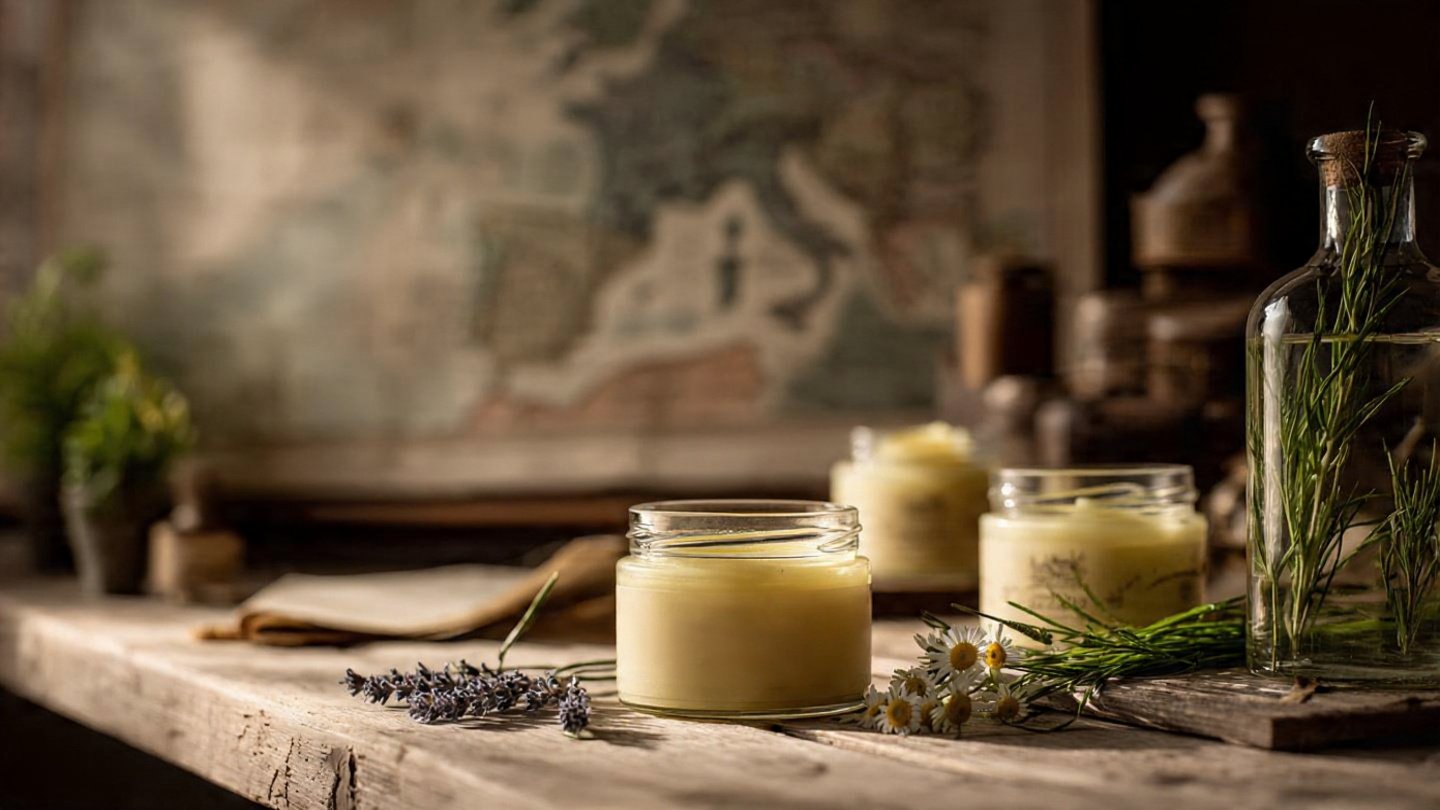
As we embrace clean, ancestral skincare, many health-conscious Europeans are rediscovering tallow – rendered beef or mutton fat – as a natural moisturiser. Tallow balms (often called beef tallow or suet balms) have quietly returned to the skincare scene, prized for their simplicity, nutrient-rich profile, and compatibility with human skin. But not all tallow products are created equal. Today’s discerning users want grass-fed, ethically sourced ingredients and minimalist formulations. In this guide we explore why tallow matters, how to choose truly cosmetic-grade tallow moisturisers, and highlight some of the top European tallow balm brands for 2026.
What Is Tallow and How Is It Used in Skincare?
Tallow is simply rendered animal fat (traditionally from beef or sheep). Tallow used in skin care comes from suet (the hard fat around an animal’s kidneys and loins) that has been gently heated and purified. Once processed, it forms a shelf-stable solid fat with a light golden or ivory colour and a creamy texture. In practice, tallow balms are made by melting this fat and blending it with other natural oils or waxes (often beeswax or botanical oils) to create a smooth, spreadable moisturizer.
Long before modern beauty products, our ancestors relied on tallow salves for dry, cracked skin. Tarro Skincare notes that tallow has been used for centuries in soap, candle-making, and healing balms. When derived from grass-fed animals, tallow is especially rich in fat-soluble vitamins A, D, E and K, along with healthy fatty acids like stearic and linoleic acid. These components are naturally nourishing and soothing to the skin. In fact, studies show that tallow’s fatty acid profile closely mirrors our own skin’s sebum, making it highly absorbable and gentle. In short, cosmetic-grade tallow is basically skin-food: a natural, occlusive emollient that helps reinforce the skin’s lipid barrier and lock in moisture.
Why Tallow Moisturiser Matters
- Skin Barrier Support – Tallow’s fatty acid mix is very similar to the oil our skin produces. This bio-compatibility helps it absorb well into skin layers, reinforcing the barrier and reducing moisture loss. Users often report softer, plumper skin with regular tallow use.
- Nutrient-Rich – Grass-fed tallow naturally contains vitamins A, D, E and K, plus conjugated linoleic acid and other beneficial lipids. These are antioxidants and anti-inflammatories that can aid skin healing, cell regeneration and glow. Think of it as supplying a multivitamin to your skin.
- Gentle on Sensitive Skin – Because tallow is pure fat with no harsh additives, it is rarely irritating. One brand notes that “organic beef tallow is exceptionally similar to human skin in terms of its lipid structure” and thus is “particularly well tolerated – even by people with dry, sensitive, or irritated skin”. Cosmetic tallow balms usually skip perfumes and rely only on natural ingredients, making them a smart choice for sensitive or eczema-prone skin.
- Long Shelf-Life & Simplicity – Properly rendered tallow is very stable (it was historically used in soap and candles for exactly this reason). Tallow balms often contain just a few ingredients, so there’s nothing unnecessary. They can last for years without preservatives as long as they’re kept cool and dry. That minimalism appeals to anyone wary of unpronounceable additives.
- Sustainability & Respect – Using tallow is a way to honour the whole animal. It’s a by-product of meat production that would otherwise be waste. Many brands source tallow from pasture-raised cattle on regenerative farms, turning the leftover fat into a precious skincare resource. This “closing the loop” approach – highlighted by brands like Tarro Skincare – means less waste and more sustainable farming. (Note: EU law requires any tallow used in cosmetics to come from healthy animals fit for consumption, ensuring high standards of safety and welfare.)
Taken together, these benefits explain why tallow moisturisers have a passionate following. They deliver real skincare results in a clean, no-frills package, and fit well with an eco-minded, ancestral-heritage skincare philosophy.
Key Insights for Choosing a Tallow Moisturiser
When shopping for the best tallow balms in Europe, quality hinges on source and processing. Here’s what to look for:
- Grass-Fed & Organic – The healthiest tallow comes from cattle that eat grass and roam freely. Organic certification or clear farm-sourcing is a good sign. Grass-fed animals produce tallow higher in conjugated linoleic acid (CLA) and fat-soluble vitamins. Brands often highlight “100% grass-fed” on their labels.
- Single-Origin, Minimally Processed – Truly cosmetic-grade tallow is gently rendered and highly filtered to remove impurities. One European producer describes their process as: “gently rendered, filtered multiple times, purified, and processed into premium quality”. This careful rendering removes any odor and ensures safety. (In fact, safety reviews confirm that properly processed tallow has no risk of diseases like BSE.)
- Simple Formulation – A sign of quality is a short ingredients list. The best tallow balms often contain little more than grass-fed tallow, perhaps a bit of botanical oil or beeswax, and maybe a touch of skin-friendly honey. Avoid products with synthetic preservatives, colors or a long laundry list of additives. Remember, purity is part of the appeal – you want “as little as necessary” for maximum effect.
- No Synthetic Fragrance – Many tallow balms go unscented or only use soothing natural scents (lavender, chamomile, etc.). Fragrance is an irritant for some, and it isn’t needed here. If you see “unscented” or “natural essential oils only,” that’s usually good.
- Labelling Meets Regulations – In Europe, cosmetics containing tallow must comply with strict rules. Importantly, only Category-3 animal by-products (healthy animals fit for human consumption) are permitted in EU cosmetic supply chains. This means the tallow should come from vetted, traceable sources. Also, reputable brands will list the INCI name “Tallow” (or “Adeps Bovis”) and typically state that their product is for cosmetic use.
By keeping these criteria in mind, you can ensure you’re choosing a high-quality tallow moisturiser that’s truly skincare-ready and safe.
Debunking Myths and Common Questions
Isn’t beef tallow gross or heavy on the skin? Not when it’s made as a balm. True tallow moisturisers are creamy, often whipping to a soft butter-like texture. They absorb into the skin and leave only a light, protective film – not a greasy mask. In fact, after application they usually “leave the skin feeling supple” without heaviness. Far from “gross,” many users find them incredibly soothing, especially on cracked hands or elbows.
Is tallow safe and tested? Yes. Tallow has been used in food and cosmetics for centuries. Modern reviews (such as by the Cosmetic Ingredient Review panel in the US) have confirmed that tallow and its fatty components are safe for topical use. More importantly, EU law enforces hygienic standards: only fat from healthy animals (Category-3) may be used in cosmetics, and producers must follow stringent rendering processes. The risk of anything like BSE is eliminated by thorough purification. In short, cosmetic-grade tallow is as clean and safe as any high-quality oil.
Isn’t it cruelty-free? Tallow is animal-derived (so it’s not vegan), but cruelty concerns depend on farming practices. Ethically, many brands source from grass-fed, pasture-raised cows on regenerative farms. These farms often practice humane slaughter for meat, and then render the fat into skincare – making use of the whole animal. If cruelty-free ethics are paramount, a strictly plant-based product would be better. But it’s worth noting that tallow can be a very resource-efficient use of animal by-products.
What about scent and texture? Pure beef tallow naturally has a very mild, almost neutral odor. Most brands refine it further so it’s nearly odorless. Any fragrance in a tallow balm should come from natural essential oils (like lavender or rose) which also serve a soothing purpose. Texture-wise, tallow melts on contact with warm skin, becoming silky and easy to spread. It’s similar to good skincare butters.
Will it clog pores? Traditional tallow is different from pore-clogging fats; many find it non-comedogenic. Of course, like any rich product, it’s best used in moderation. A tiny amount can go a long way on the face or body. People with acne should patch-test or use it at night. On delicate facial skin, some prefer a tallow-infused face cream rather than pure tallow balm (our recommended brands often make both options).
Is tallow sustainable? If sourced correctly, yes. Look for brands that emphasize pasture-raised and regenerative farming. Using tallow from cows that are already part of a humane, grass-fed system can actually have a lower environmental footprint than many dairy or oil-crop products. It’s truly “nose-to-tail” skincare. The key is transparency – trust brands that share where and how their tallow is produced.
European Tallow Moisturiser Brands to Know
When it comes to brands, several European companies stand out for their quality tallow products. Here are a few notable ones (with a brief note on each):
- Origin (UK) – The Origin Company offers the Pure Grass-Fed Tallow Balm, a beautifully simple balm made from 100% organic, grass-fed British beef tallow. Their focus is on unscented, multi-use care that’s gentle on sensitive skin.
- Native Tallow (UK) – A small UK brand using 100% grass-fed British tallow. Their balms are triple-purified and unscented, aiming for maximum purity. (One of their taglines is “no extra oils” – meaning just tallow and beeswax).
- Bio Premium Tallow (Germany) – A German line of products (often known simply as “Premium Tallow”) made from organic beef tallow. Their Bio Premium Tallow Balm is very minimal (some variants list only tallow and honey), and they emphasize the gentle rendering process. Their FAQ even points out tallow’s similarity to human skin and suitability for kids.
- Aurendis (Carnivoro.eu, Germany) – A German brand (sold through Carnivoro.eu) with a Premium Tallow Creme. Its formula is very simple (beef tallow, olive oil, and honey) and it proudly states “3 ingredients, not 30”. Aurendis sources tallow from wild grazing herds (Herefords and Highlands roaming free in Dutch reserves) – underlining the point that “not every tallow is the same.” This brand also boasts top dermatology ratings (“Dermatest: very good”).
- Fat of the Land (Netherlands) – Based in the NL, this brand crafts rich whipped balms and soaps using local, grass-fed tallow. Their products are known for a luxurious texture and often infuse tallow with nourishing oils like jojoba or olive. The name reflects the philosophy of using land-based fats.
- Tallow Cosmetics (Netherlands) – A Netherlands company producing pure beef and sheep tallow beauty products. They offer various tallow balms and butters; their formulations are very straightforward and appeal to those who want nothing artificial.
- Ancestral Cosmetics (Ireland) – An Irish family-owned brand blending grass-fed Irish beef tallow with raw Irish honey. Their Tallow & Honey Balm (also sold on UK Amazon) is popular for sensitive and dry skin, effectively combining two traditional ingredients.
- Esca (UK) – A UK (Yorkshire-based) maker of tallow & honey balms. They emphasize pasture-farmed tallow and use manuka or other natural additives.
- Hayes Meadow (UK) – A Devon-based brand offering a Tallow Lotion and Tallow Balm. Their formulations include organic tallow with botanical extracts for a very natural cream consistency.
- Tarro Skincare (UK) – A British brand with tallow balms (e.g. Glow Skin Balm with bone marrow tallow). They highlight sourcing tallow from grass-fed wagyu and beef and their philosophy of honoring the whole animal.
- Carnivoro (Germany) – While not a farm brand per se, Carnivoro.eu is a distributor of high-quality tallow creams from Aurendis and other German artisans, offering Europe-wide shipping.
Each of these brands shares a common theme: very few, high-quality ingredients and ethical sourcing. We encourage readers to explore their product offerings and find the textures or scents (even naturally-derived) that suit their preferences. Look for the brand’s story on grass-feeding and processing – transparency is a good sign of trustworthiness.
How to Use Tallow Moisturisers in Your Routine
In practice, tallow balms are versatile. Many people use a small amount on very dry areas (hands, elbows, feet, lips, under eyes) or even the entire face if tolerated. Here are some practical tips:
- Patch Test First – Even with a gentle product, try a small patch on your forearm or behind your ear to ensure no reaction, especially if your skin is very reactive.
- Apply to Damp Skin – After cleansing or showering, pat skin lightly dry and apply tallow balm to slightly damp skin. This helps seal in moisture. A pea-sized amount usually goes a long way on the face; more can be used on rough spots.
- Use Sparingly at First – Tallow is nourishing but heavy compared to a lotion. Start with a little (like a rice grain size) and warm it between fingers until it softens, then smooth over the skin. You can always add more if needed.
- Night or Day – Many find tallow balms ideal for nighttime recovery (as a night cream). But light daytime use is also fine – some even use it as a replacement for heavy sunscreen (though always layer a mineral SPF on top if sun exposure is involved).
- Layering – For people who like multiple steps, a few drops of facial oil can be applied first, with tallow balm on top as the final “sealant.” Or mix a drop of tallow balm into a few drops of your favourite oil for a custom blend.
- Cold Climates – Tallow excels in cold/dry weather. Keep a jar by the sink to rub into hands after winter commutes, or use it on kids’ cheeks after frolicking outside.
Remember to store tallow products in a cool, dry place. They won’t melt unless it’s hot, but protecting from heat and sunlight will maintain their texture and longevity.
Natural vs. Modern Approaches
Tallow skincare really bridges the gap between ancient wisdom and clean modern beauty. Traditional cultures used animal fats topically for millennia (for example, European peasants and Indigenous peoples worldwide). They valued tallow for the very reasons we’re rediscovering today.
In contrast, much of 20th-century cosmetics went toward petroleum jelly, synthetic oils, and heavy chemical preservatives (which had commercial advantages but often ignored efficacy and safety). The modern clean-beauty movement is rejecting those synthetic crutches. Tallow balms represent a return to ingredients our great-grandparents would recognize, but produced with today’s quality controls and organic farming standards.
Neither approach is inherently superior in all ways, but combining them yields benefits: we use high-tech testing and high-welfare farming alongside the simple, proven efficacy of natural fats. This balanced view – avoiding fearmongering about animal fats and instead emphasizing evidence and values – is what makes tallow a compelling skincare choice today.
Frequently Asked Questions
Is tallow better than plant oils? Tallow’s advantage is its skin compatibility and stability; plant oils each have different profiles (e.g. coconut oil vs. almond oil). Some people find animal fats less likely to clog pores than heavy plant butters. Many tallow products actually blend some plant oils for added nutrients, so they aren’t an either/or. Choose what suits your skin and ethics.
How do I know if a tallow balm is “cosmetic grade”? Look for terms like cosmetic grade, food grade, pharmaceutical grade, or descriptions of triple rendering/filtering. Reputable brands often explain their processing. If in doubt, avoid tallow listed simply as a cooking product.
Can I use tallow on my face if I have acne or eczema? For eczema and psoriasis, many find tallow soothing (vets sometimes prescribe it off-label). For acne, it depends – tallow itself isn’t acne-causing, but oily skin can be tricky. Start with a tiny amount or mix it into your existing face cream, or use it on body and reserve a lighter oil for face. Always test and see how your skin reacts.
Does tallow spoil? When properly rendered (i.e. moisture-free and clean), beef tallow has a long shelf life (1–2 years or more) without preservatives. As always, if it develops a rancid smell or colour, discard it. Storing in a closed jar in a cool place is best.
Is tallow moisturiser allowed in Europe? Yes. As long as it meets EU animal by-product rules (Category 3 material) and cosmetic regulations, it’s perfectly legal and used by many brands. EU experts have even evaluated tallow-derived ingredients and consider them safe in skincare. Brands selling in Europe typically comply with all this behind the scenes, even if they don’t advertise it on the jar.
Conclusion
Tallow moisturisers are not a fad; they combine time-honoured efficacy with modern clean-label values. For anyone with dry, sensitive or mature skin, a good grass-fed tallow balm can be a nourishing pantry staple. Across Europe in 2026, a growing roster of ethical, grass-fed tallow brands – from Britain to Germany to the Netherlands – is making it easy to try this natural ingredient. Whether you roll your jar out of an evening self-care routine or dab a bit on wind-chapped cheeks, the result is the same: simple, effective hydration.
Explore the brands that align with your needs and values, and you may just find that this ancient skincare secret feels like skin’s new best friend.
Links (Internal & External)
Internal (Origin):
- Unscented Tallow Balm: Ideal for Sensitive and Reactive Skin
- Mixing Tallow with Essential Oils: Best Blends for Skin
- Whipped Tallow Balm Recipe: Quick and Beginner-Friendly
External: