
Cosmetic Grade Beef Tallow: What Makes It Skincare-Ready
-
By Igor Kapler
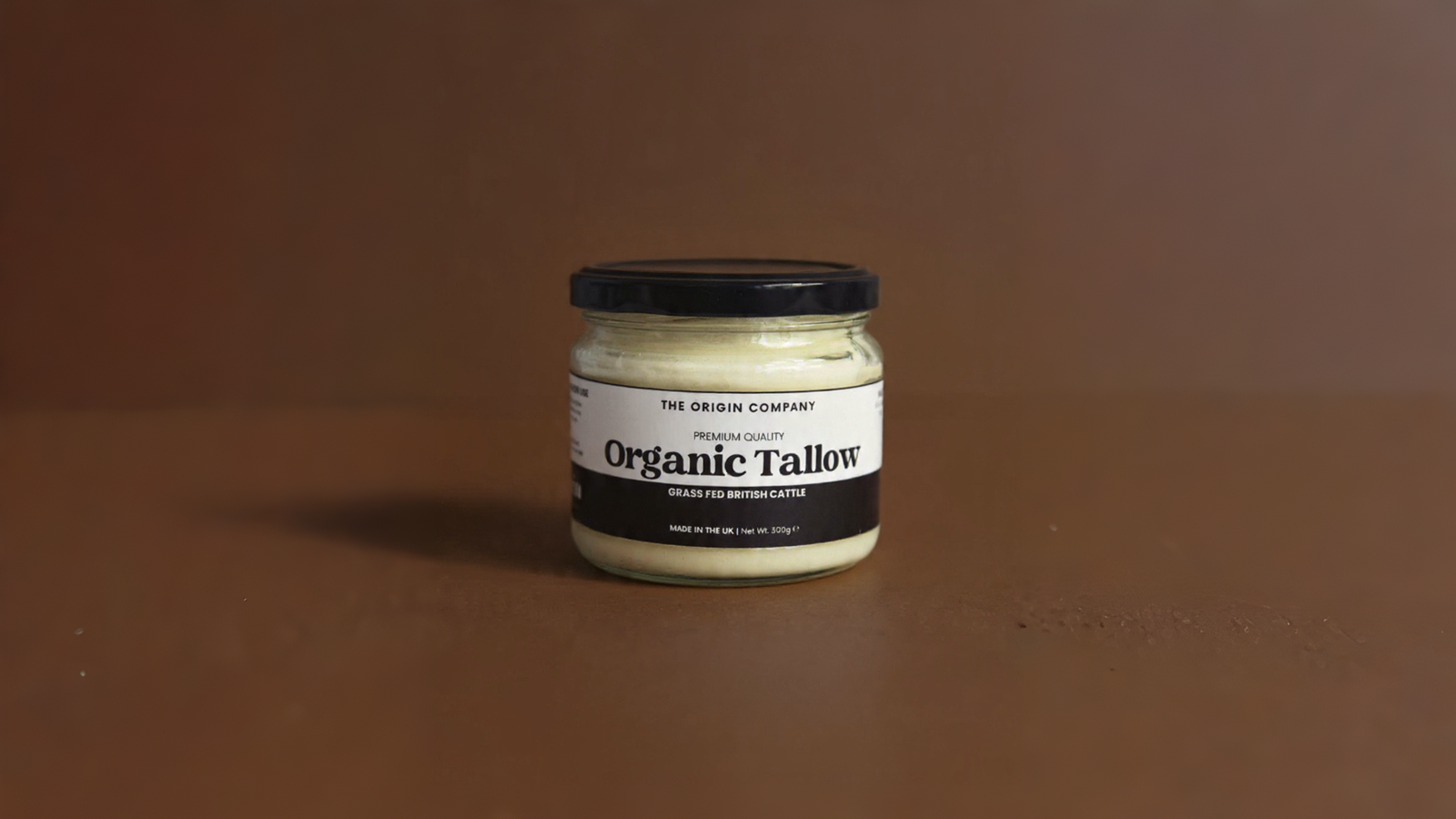
In the world of natural skincare, not all tallow is equal. The term “cosmetic-grade tallow” is often used, but what does it actually mean? How does plain beef fat become a gentle, high-quality skincare ingredient? For health-conscious people with sensitive skin, understanding this transformation is crucial. This blog dives deep into the journey from pasture to product, explaining how sourcing and processing make beef tallow suitable – even ideal – for the skin.
What Is Cosmetic-Grade Beef Tallow?
At its simplest, tallow is rendered (melted and strained) beef fat. Cosmetic-grade tallow refers to tallow that has been processed specifically for use in skincare. Unlike a cooking-fat tallow, cosmetic-grade tallow is carefully refined to meet higher standards of purity and stability. In practice, this often means:
- Controlled Sourcing: Typically from grass-fed, pasture-raised cattle to ensure purity and nutrient content.
- Special Rendering: Often a gentle or wet rendering process (fat simmered in water and salt) to extract fat cleanly.
- Filtration and Purification: Multiple strainings (cheesecloth, coffee filters) and sometimes carbon filtering to remove impurities and odor.
- Quality Testing: Checked for moisture content, odor, and consistency; packaged in sanitary conditions.
In ingredient lists, cosmetic-grade beef tallow usually appears simply as “Tallow” (the INCI name for rendered beef fat). It’s a single-ingredient base, free of synthetic additives. The “cosmetic grade” label assures formulators that it has the skin-friendly properties needed for gentle skincare products.
Why Cosmetic-Grade Tallow Matters
Choosing cosmetic-grade tallow matters for skin health, product safety, and sustainability.
- Skin Barrier Support: The fatty acid profile of high-quality tallow closely matches human skin lipids. It’s rich in oleic, palmitic, and stearic acids – nutrients that help maintain the skin’s natural moisture barrier. Well-rendered tallow can gently repair and hydrate the skin without harsh chemicals.
- Purity and Safety: Cosmetic-grade tallow undergoes extra purification, removing impurities that can irritate sensitive skin. For example, careful rendering and filtering produce a neutral-smelling, pale fat rather than smelly cooking suet. Regulatory bodies note that properly processed tallow is safe as a cosmetic ingredient – the Cosmetic Ingredient Review (CIR) panel found that tallow and its derivatives are non-toxic and non-irritating when prepared under modern standards. In the EU, tallow must comply with animal by-product regulations and cosmetic laws, ensuring producers document safety aspects (like BSE controls).
- Stability and Longevity: Tallow is mostly saturated fats, which are naturally stable and less prone to rancidity compared to many vegetable oils. Cosmetic-grade tallow often has a high saturation level, giving it a long shelf life and making it less likely to spoil. A pure, well-purified tallow (low in moisture) can last for months, even without refrigeration.
- Ethical and Sustainable: When sourced from responsible pasture-raised farms, tallow is a “nose-to-tail” use of animals – it utilises a by-product (fat) that might otherwise be wasted. Many cosmetic producers of tallow embrace regenerative or organic farming practices. High welfare standards (like Pasture for Life in the UK or NZFAP+ in New Zealand) and local sourcing reduce environmental impact.
In summary, cosmetic-grade tallow stands out for its clean composition and reliable performance. It matters today because consumers care where ingredients come from, and whether they are fit for sensitive skin. Properly rendered tallow offers an alternative to synthetic emollients or heavily processed plant oils, aligning with nature-focused, minimalist skincare values.
Key Insights: Benefits of Cosmetic-Grade Tallow
From an ingredient perspective, cosmetic-grade beef tallow brings several advantages when formulated into skincare:
- Skin-Compatible Lipids: Around 47% of tallow’s fatty acids is oleic acid, a monounsaturated fat that easily penetrates skin, helping to replenish moisture. Oleic acid is quite stable, protecting antioxidants in the balm from degradation. Another ~26% is palmitic acid, a saturated fat known for forming an occlusive layer on skin to prevent moisture loss. Additionally, stearic acid (~12%) acts as a natural emulsifier and thickener in creams, softening the skin surface. Together, these fats mimic and reinforce the skin’s own barrier.
- Rich in Nutrients: Grass-fed beef tallow can carry fat-soluble vitamins A, D, E, and K and trace compounds like conjugated linoleic acid (CLA). Cosmetic-grade rendering (often low-heat) preserves these nutrients so the tallow stays off-white instead of yellowed by heat. These vitamins can support skin regeneration and antioxidant protection when present.
- Deeply Moisturising: Tallow is naturally occlusive (like lanolin or petrolatum), meaning it creates a barrier that locks in moisture. This makes it excellent for dry, chapped, or sensitive skin. When formulated as an anhydrous balm (no water), it can soothe compromised skin. For example, Certified Cosmetics notes tallow is “deeply moisturizing and emollient” in balms and butters. Many people find it comforting after windburn, eczema flare-ups, or seasonal dryness.
- Low Irritation Potential: Pure tallow has no petrochemicals, synthetic preservatives, or fragrances. Cosmetic-grade tallow is hypoallergenic if made correctly. According to industry sources, “non-comedogenic (when purified correctly)” is one touted benefit – meaning it’s less likely to clog pores compared to impure or heavy oils. The CIR safety review confirms there are no toxic or sensitizing components in refined tallow. Of course, individual reactions vary, so patch-testing new products is always wise.
- Formulation Versatility: Once prepared, cosmetic-grade tallow is a solid white fat with a neutral scent. It blends easily with other natural ingredients like beeswax, plant oils or butters. It can be mixed into facial creams, body butters, or cleansing bars with predictable texture. Its melting point (~40°C) is similar to shea butter, making it excellent for balms. Many DIY formulators combine it with oils (jojoba, rosehip, etc.) to improve spreadability, but tallow on its own can form a luxurious balm base.
These insights highlight that cosmetic-grade means purpose-built for skincare – it is nutritionally dense, stable, and gentle on the skin. In contrast, a rough kitchen-rendered tallow (smelly, yellow, or with residual proteins) would be far less suitable for cosmetics.
Common Questions and Misunderstandings
“Isn’t animal fat dirty or comedogenic?”
This is a frequent concern. High-quality tallow, when properly refined, is not inherently dirty. The impurities often blamed on tallow come from unsanitary or high-heat processing, not the fat itself. In fact, refined tallow is biocompatible with skin. Its lipid profile closely matches human sebum. While tallow is occlusive, it doesn’t automatically “clog” pores any more than lanolin or cocoa butter – especially if diluted with other oils or used modestly. Many skin experts note that pure tallow can be quite soothing. The key is using cosmetic-grade tallow, which has most potential irritants removed.
“What’s the difference between cosmetic-grade and food-grade tallow?”
Food-grade tallow (for cooking) is often rendered by high heat and not filtered as thoroughly. It may have a brownish color and meaty smell. Cosmetic-grade tallow, on the other hand, is rendered gently (often wet-rendered with water and salt) and repeatedly strained. This yields a white, odorless fat. Cosmetic tallow is also tested to be nearly free of moisture (<0.1%) and impurities. In short, cosmetic-grade is “extra clean” for the skin.
“Can tallow cause allergies or BSE concerns?”
Beef tallow is not a common allergen like nuts or gluten. The bigger issue is BSE (Mad Cow Disease) regulations. Today’s cosmetic industry requires traceability: tallow must come from BSE-free animals and be processed to eliminate risk. The Cosmetic Ingredient Review noted that modern rendering effectively removes proteins (which could carry BSE), so properly-sourced tallow poses no greater hazard than other animal fats. Reputable suppliers provide certification or documentation on their tallow’s safety. Always ensure your product’s maker follows these rules.
“My skin is oily – will tallow make it worse?”
Many oily-skin sufferers are surprised to find that a small amount of tallow can actually help balance sebum production. Tallow’s lipid makeup can trick the skin into “thinking” it has enough oil, reducing overproduction. However, because tallow is rich, you likely won’t use as much as other creams. A pea-sized amount, especially on damp skin, is often enough. If your skin reacts by feeling greasy, simply use less or use tallow only on specific dry spots. Every skin is different, but anecdotal reports (and some anecdotal evidence on its stability) suggest it can be suitable even for oily or acne-prone skin when used correctly.
“Isn’t this old-fashioned? Are modern ingredients better?”
Not necessarily. Many modern moisturizers rely on synthetic esters and chemical preservatives. By contrast, cosmetic-grade tallow is a whole-food-derived fat with a long history of use. Its “modern” advantage is not in chemistry, but in production standards. When processed with good hygiene and purity (wet rendering, filtering, testing), it stands up to contemporary safety expectations. In fact, there’s a growing trend of returning to ancestral ingredients like tallow and lanolin in clean beauty circles. The wisdom here is combining tradition (simple, nutrient-dense fats) with modern oversight (GMP, safety assessments).
How Cosmetic-Grade Tallow is Used
In practical terms, cosmetic-grade beef tallow is typically an ingredient in balms, creams, or soaps. Because it’s anhydrous (water-free), it pairs well with minimal formulas. For example:
- Facial Balm: A little tallow blended with oils like jojoba or rosehip can create a soothing night balm. Many sensitive skin users appreciate a pure tallow balm as a final step to lock in moisture without irritation. (Origin’s own [Pure Grass-Fed Tallow Balm] is an example of this approach.)
- Body Butter or Lotion Bar: Tallow’s firmness at room temperature makes it a great base for hand creams or massage balms. When whipped, it can feel like a buttery lotion.
- Soaps and Cleansers: Traditional soap makers combine tallow with coconut and olive oils for hardness and lather. While soap is more than just tallow, using high-quality tallow ensures the resulting soap is milder and creamier.
- Targeted Treatment: Tallow balms can be dabbed on rough elbows, cuticles, or diaper rash. The occlusive fat relieves dryness. Because cosmetic-grade tallow is neutral, it won’t stain clothes or smell “meaty” on the skin.
A simple routine using tallow might involve gentle cleansing followed by a thin layer of a tallow-based balm on still-damp skin. Some people use it only at night as a “repair” step. It also mixes well with a drop of essential oils (if tolerated) or with plant oils for a lighter feel. The key is to keep rituals minimal: focusing on one or two high-quality ingredients (like Origin’s Tallow and perhaps a drop of vitamin E) rather than a dozen additives.
Whether you handcraft it (as hobbyists do) or buy a ready-made product, cosmetic-grade tallow integrates into a healthy skin regimen as a nutrient-rich, occlusive layer. It’s an example of skinfood – an ingredient you could imagine our ancestors using on a winter’s night – validated now by modern understanding of lipids and safety.
Traditional vs Modern Skincare Approaches
Cosmetic-grade beef tallow sits at the crossroads of traditional wisdom and modern standards:
- Traditional: For centuries, cultures used animal fats topically. Tallow was a common ointment base in historical skincare, valued for its protective qualities. In resource-conscious communities, tallow was the original moisturizer. This aligns with the ancestral skincare philosophy: using whole, natural ingredients with minimal processing.
- Modern: Today’s cosmetics often rely on highly refined oils, synthetics, and perfumes. While these can offer convenience (quick absorption, shelf stability), they also introduce complex chemistry and potential irritants. Cosmetic science demands rigorous safety testing and documentation. Here, “cosmetic-grade” tallow benefits from modern oversight. It’s a natural ingredient, but brought through a process that meets today’s clean standards (COA’s, GMP, preservative criteria for any added water, etc.).
Neither approach is universally better; both have strengths. What matters is balance. Cosmetic-grade tallow demonstrates that ancient ingredients can be updated for the present. It’s not about distrust of modern skincare – it’s about combining wise simplicity with current best practices.
For instance, if you’re exploring barrier-first skincare, blending time-tested fats (like cosmetic tallow) with knowledge about ceramides and pH can be powerful. Origin’s ethos has always been ancestral and evidence-based: consider our [Understanding Barrier-First Skincare] resource if you want to see how tallow fits into a holistic routine.
Frequently Asked Questions
Q: How is cosmetic-grade tallow rendered differently?
A: Commonly, producers use a wet rendering method: simmering suet in water with salt. The water helps carry out impurities, and salt binds trace proteins. After melting and straining, the clean fat solidifies as an almost-white disk. Often, this tallow is washed or filtered again to neutralize any residual beefiness. Food-grade tallow might skip these steps and be browned.
Q: Can I use regular grocery tallow for skincare?
A: It’s not recommended. Grocery tallow is often coarsely rendered and may contain bits of meat. It can smell strongly and oxidize quickly. Cosmetic-grade tallow is about 99.9% fat and nearly odorless. If you have only cooking tallow, you’d need to purify it (multiple wash-and-filter cycles) before it’s really skin-safe.
Q: Is cosmetic-grade tallow only from grass-fed cows?
A: Many cosmetic suppliers prefer grass-fed, pasture-raised sources because these animals yield cleaner fat and more nutrients. For example, New Zealand cosmetic tallow is typically 100% grass-fed. In the UK, look for pasture-raised or organic labels. Grass-fed tallow may have higher levels of vitamins A, D, K, and CLA, which some find beneficial. However, the term “cosmetic grade” itself refers to purity and processing. Whether it’s grass-fed or not, the rendering method and testing are what make it cosmetic-ready.
Q: Will my tallow product need a preservative?
A: Tallow itself contains no water, so pure tallow-based balms (anhydrous formulas) don’t require traditional preservatives. However, any time you add water or hydrosols to a tallow formulation, you need proper preservation. Cosmetic-grade tallow is usually packaged without water, so shelf-stable. Still, always store it in a clean, dry place to avoid microbial risk. Some makers keep tallow cool or even refrigerate to be extra safe, but many report it stays fine at room temperature for months if well-purified.
Q: Does Origin offer cosmetic-grade tallow products?
A: Yes. Origin’s products use high-quality, carefully-rendered tallow sourced from trusted grass-fed cattle. For example, our Pure Grass-Fed Tallow Balm is a single-ingredient balm using 100% cosmetic-grade tallow. We also discuss gentle routines in our Sensitive Skin Reset guide to help integrate such minimal products. These aim to give you the benefits without extra fragrance or chemicals.
Conclusion
Cosmetic-grade beef tallow is not magic, but the result of mindful sourcing and processing. It starts as a whole-animal fat and becomes a gentle, stable skincare ingredient when treated correctly. By using grass-fed cattle fat, low-heat rendering, and thorough purification, producers can create a tallow that is safe, nourishing, and effective – even for sensitive or reactive skin.
For origin, this aligns perfectly with our philosophy. We believe in ancestral ingredients, but only when they meet modern expectations for purity and ethics. The story of tallow in skincare is one of harmony: between tradition and science, between simplicity and quality. When you choose cosmetic-grade tallow, you’re choosing an ingredient with a clear provenance and a purpose.
There’s no rush or hype; tallow’s rise is part of a longer trend back to nature. Whether you’re curious or ready to try, remember: it all starts with the source and the process. And in this case, the difference between greasy beef fat and a soothing skin balm is exactly that journey from pasture to product.
Links (Internal & External)
Internal (Origin):
- Unscented Tallow Balm
- Unscented Tallow Balm: Ideal for Sensitive and Reactive Skin
- Grass-Fed Beef Tallow UK: Top Sources and Skin Benefits
External: