
BSE Risk in Tallow Skincare: Is It Safe in 2026?
-
By Igor Kapler
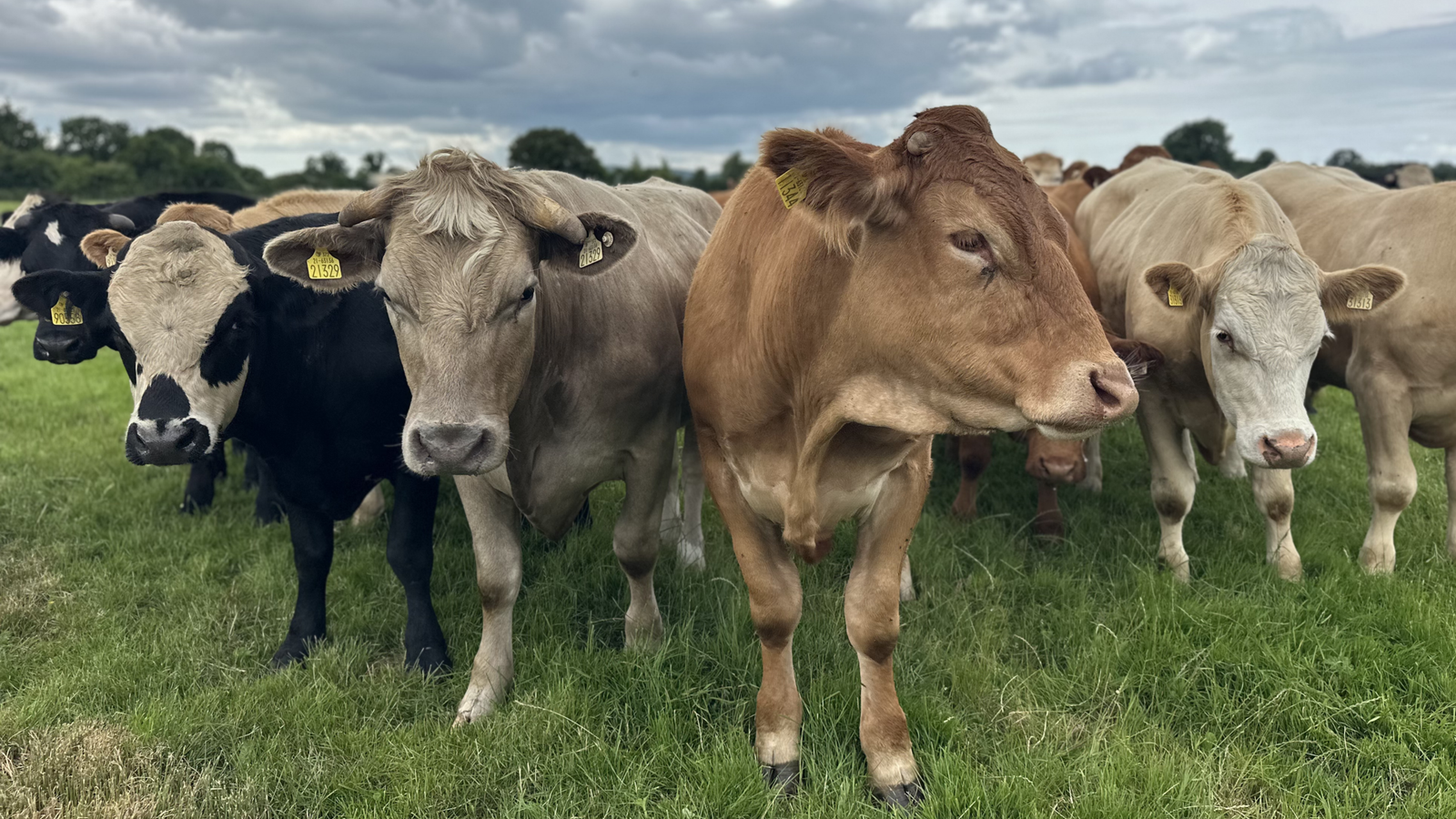
For many people discovering tallow skincare for the first time, one question appears almost immediately:
“Is beef tallow actually safe to put on skin?”
And behind that question is often a deeper concern tied to the history of BSE — commonly known as “mad cow disease”.
The concern is understandable. The BSE crisis left a lasting impression across the UK and Europe during the 1980s and 1990s. Even decades later, consumers still want reassurance when using animal-derived ingredients in skincare.
At the same time, tallow balm has rapidly returned to modern skincare conversations. People with dry, reactive, and sensitive skin are increasingly moving away from heavily fragranced products and looking for simpler formulations rooted in traditional ingredients.
So where does modern tallow skincare stand in 2026?
The short answer: properly sourced and professionally processed tallow used in cosmetics is considered extremely low risk under current regulations and manufacturing standards. But understanding why matters.
This guide explores:
- What BSE actually is
- How modern tallow is sourced and processed
- What UK and international regulations say
- Why cosmetic-grade tallow differs from raw animal material
- How to evaluate trustworthy tallow skincare brands in 2026
Understanding BSE and Why People Still Ask About It
BSE stands for Bovine Spongiform Encephalopathy, a neurological disease that affects cattle.
The condition gained major public attention during the UK outbreak decades ago, leading to sweeping changes in food safety, farming regulations, and animal by-product controls.
One important detail often missed in online discussions is this:
BSE risk is primarily associated with specific nervous-system tissues — not purified fat itself.
Modern cosmetic tallow is not made from brain or spinal tissues. Regulations specifically restrict and control what materials may be used in products.
Today, both UK and international authorities maintain strict controls around:
- cattle inspection
- rendering standards
- traceability
- specified risk materials (SRMs)
- sourcing regions
- impurity levels
This is why modern cosmetic-grade tallow is treated very differently from the fears associated with historical outbreaks.
What Is Cosmetic-Grade Tallow?
Tallow used in skincare is rendered beef fat, typically sourced from suet or adipose tissue.
In high-quality skincare production, the fat undergoes:
- rendering
- filtration
- purification
- controlled heating
- removal of impurities
The final ingredient is dramatically different from raw animal tissue.
Modern tallow skincare brands often source:
- grass-fed cattle
- inspected animals
- regulated farms
- traceable supply chains
This matters because safety in skincare depends heavily on sourcing and processing quality.
According to US cosmetic regulations, tallow used in cosmetics must either:
- come from approved low-risk sources, or
- contain extremely low impurity levels.
Why Tallow Safety Standards Are Much Stricter Today
The BSE crisis permanently changed how animal-derived materials are regulated.
In 2026, the cosmetic industry operates under far tighter controls than many consumers realise.
Modern standards include:
- veterinary inspections
- slaughterhouse controls
- SRM removal
- traceability systems
- regulated rendering processes
- contamination prevention protocols
The UK Food Standards Agency continues to maintain strict oversight of specified risk material controls.
These systems exist specifically to minimise risks associated with transmissible diseases.
For skincare consumers, this means reputable tallow brands are not simply melting random beef fat into jars. Legitimate manufacturers work within tightly controlled sourcing frameworks.
Why Purified Fat Is Different from High-Risk Tissue
This is one of the most important distinctions in the entire discussion.
Scientific and regulatory concern around BSE centres largely on:
- brain tissue
- spinal cord
- nervous system materials
Purified fat itself is not considered a primary carrier of infectivity risk.
Additionally, rendering and purification processes further reduce biological material remaining in finished tallow.
Regulatory guidance repeatedly emphasises impurity thresholds and removal of prohibited materials.
Cosmetic tallow is therefore evaluated very differently from raw bovine tissue.
What Experts and Regulatory Bodies Say
Several regulatory frameworks continue to allow tallow and tallow derivatives in cosmetics under controlled conditions.
The FDA’s guidance on BSE and cosmetics outlines restrictions on prohibited cattle materials while allowing compliant tallow and tallow derivatives.
Meanwhile, modern import regulations specify:
- low impurity requirements
- controlled sourcing
- veterinary certification
- approved regions
These measures are designed to maintain safety across food, pharmaceutical, and cosmetic supply chains.
Interestingly, cosmetic chemist Colin Sanders noted in a 2025 article that rendering processes are highly effective at separating fat from higher-risk tissues and reducing contaminants. He also explained that modern regulations require traceability and strict sourcing standards for animal-derived cosmetic ingredients.
Including real expert commentary matters because it grounds the discussion in current industry understanding rather than internet fear.
Why Some Consumers Still Feel Unsure
Even with strong regulation, hesitation around animal-based skincare is understandable.
Several factors contribute:
- memories of historical BSE coverage
- viral social media fear
- misinformation online
- confusion between raw fat and cosmetic-grade tallow
- distrust of industrial manufacturing
There is also a wider cultural shift happening.
For years, skincare marketing focused heavily on:
- synthetic formulations
- oil-free messaging
- laboratory branding
- plant-only narratives
The return of ancestral ingredients like tallow challenges many modern assumptions.
That naturally creates debate.
Common Myths About BSE and Tallow Skincare
“All animal-derived skincare is unsafe”
Not true.
Modern cosmetic regulations distinguish between permitted and prohibited cattle materials. Properly processed cosmetic tallow is regulated differently from high-risk tissue.
“Tallow skincare is unregulated”
Also false.
Animal-derived cosmetic ingredients must comply with cosmetic safety standards, sourcing rules, and manufacturing regulations in the UK, EU, and internationally.
“Natural automatically means dangerous”
Natural ingredients are not automatically safer or riskier.
Safety depends on:
- sourcing
- manufacturing
- purification
- contamination control
- formulation quality
This applies equally to botanical and animal-derived skincare.
“All tallow is the same”
There is a major difference between:
- low-quality homemade fat products
- properly rendered cosmetic-grade tallow
Reputable brands invest heavily in ingredient sourcing and refinement.
How to Identify Trustworthy Tallow Skincare Brands
If you are considering tallow skincare in 2026, transparency matters.
Look for brands that openly discuss:
- sourcing
- rendering methods
- ingredient traceability
- grass-fed or pasture-raised sourcing
- small-batch production
- fragrance policies
- full ingredient lists
A trustworthy brand should not avoid questions about origin or manufacturing.
Good signs include:
- minimal ingredient lists
- cosmetic-grade standards
- clear batch consistency
- transparent FAQs
- realistic skincare claims
Avoid brands making extreme promises or using fear-based marketing.
Why Some Sensitive Skin Users Prefer Simpler Formulations
One reason tallow skincare continues gaining attention is formulation simplicity.
Many people with sensitive or reactive skin feel overwhelmed by:
- long ingredient lists
- heavy fragrance
- multiple acids
- strong exfoliants
- essential oil overload
Simple moisturising routines are becoming more appealing again.
Tallow-based balms are often chosen because they typically focus on:
- lipids
- moisture retention
- barrier support
- minimal formulation complexity
That does not mean tallow works for everyone.
But simplicity itself can sometimes reduce irritation triggers for certain users.
Traditional Skincare vs Modern Cosmetic Formulation
Historically, animal fats were common in:
- soaps
- balms
- ointments
- protective salves
Modern skincare later shifted heavily toward:
- petroleum derivatives
- silicones
- synthetic esters
- laboratory-created emollients
Today, consumers are exploring both worlds.
Some prefer advanced cosmetic science.
Others prefer simpler, traditional ingredients with long historical use.
The reality is that modern skincare does not need to become anti-science to appreciate ancestral ingredients.
Balanced formulation matters more than trend cycles.
How Origin Approaches Ingredient Transparency
At Origin, the focus is not on fear-based skincare.
Instead, the emphasis is on:
- thoughtful sourcing
- simplicity
- skin compatibility
- ingredient clarity
- traditional wisdom supported by modern standards
Products designed around minimal formulations may suit people who want a calmer skincare routine without unnecessary complexity.
Rather than chasing endless actives, many consumers today are simply looking for:
- consistency
- nourishment
- gentle hydration
- fewer irritants
Frequently Asked Questions
Can BSE survive in cosmetic tallow?
Modern rendering, purification, and regulatory controls are specifically designed to minimise risk. Approved cosmetic tallow must meet strict sourcing and impurity standards.
Is tallow skincare legal in the UK and Europe?
Yes. Animal-derived ingredients may be used in cosmetics when they comply with relevant cosmetic and safety regulations.
Does grass-fed tallow make a difference?
Many consumers prefer grass-fed sourcing due to farming practices, fatty acid composition, and traceability preferences. However, safety depends more on proper processing and regulatory compliance.
Why do some people avoid tallow skincare?
Reasons vary and may include:
- vegan lifestyle choices
- ethical concerns
- texture preferences
- historical associations with BSE
- unfamiliarity with animal-based skincare
Is homemade tallow skincare safe?
Homemade skincare lacks the standardised testing and quality controls of professional cosmetic manufacturing. Ingredient sourcing and handling become especially important.
Conclusion
The conversation around BSE and tallow skincare often mixes historical fear with modern misinformation.
But cosmetic-grade tallow in 2026 exists within a very different landscape than the one people remember from decades ago.
Today’s regulations focus heavily on:
- sourcing
- inspection
- purification
- prohibited material removal
- traceability
For many consumers, the bigger question is no longer whether tallow is automatically unsafe, but whether the brand behind it is transparent and responsible.
As interest in traditional skincare continues growing, consumers are becoming more thoughtful about what they put on their skin — and where those ingredients come from.
Understanding the difference between raw fear and modern standards allows for more informed choices grounded in reality rather than internet panic.
Suggested Internal Links
- Beef Tallow Balm Ebay Reviews: Real Customer Experiences
- Beef Tallow for Eczema UK: Natural Soothing Relief
- Best Tallow Moisturiser Brands in Europe 2026