Tallow Lip Balm: Instant Relief for Dry, Chapped Lips
-
By Igor Kapler
Introduction
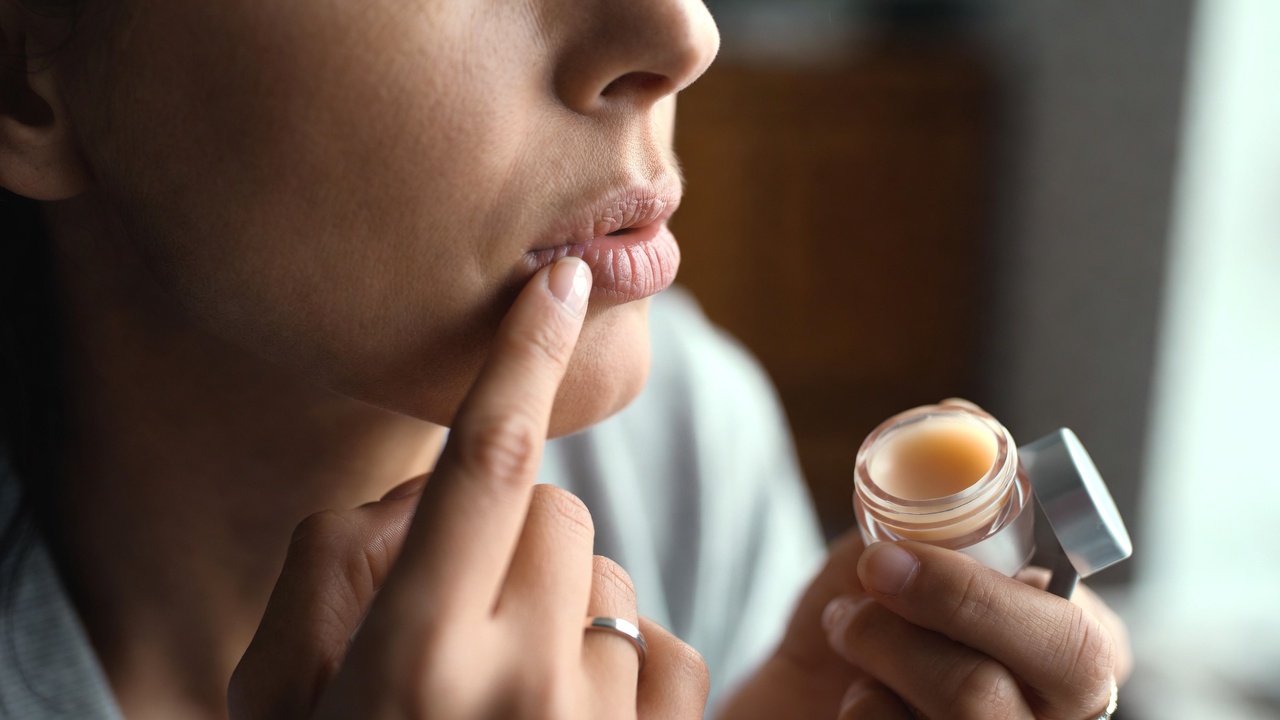
Dry, cracked lips are more than a seasonal inconvenience.
They can sting, peel, split, and linger far longer than we expect — even when the rest of our skin feels fine.
Many people cycle through lip balms endlessly, reapplying every hour, only to find their lips feel worse once the product wears off. Tight. Dependent. Still dry.
This has led many health-conscious consumers to ask a better question:
What do lips actually need to heal — not just feel coated?
One answer gaining renewed attention is tallow lip balm — a traditional, ingredient-minimal approach rooted in ancestral skincare and biological compatibility.
In this article, we’ll explore why tallow lip balm offers fast, noticeable relief for dry, chapped lips, how it works, who it’s best for, and how it fits into a modern, sustainable skincare routine.
Understanding Tallow Lip Balm
What Is Tallow?
Tallow is a rendered form of beef fat, traditionally used for centuries in skincare, soap-making, and healing balms.
When properly sourced and gently rendered, tallow becomes:
- Clean
- Stable
- Rich in skin-supportive lipids
- Naturally compatible with human skin
Unlike synthetic waxes or petroleum-based products, tallow closely mirrors the lipid structure of our own skin barrier.
What Is Tallow Lip Balm?
Tallow lip balm is typically made with:
- Grass-fed beef tallow
- Sometimes blended with natural oils (such as olive oil or jojoba)
- Occasionally infused with herbs or essential oils (or left completely unscented)
The result is a balm that nourishes, protects, and absorbs, rather than simply sitting on the surface.
Why Lip Skin Needs Special Care
The skin on your lips is fundamentally different from the rest of your face.
Lips:
- Have no oil glands
- Have a thinner protective barrier
- Lose moisture more rapidly
- Are constantly exposed to weather, saliva, and friction
This makes them highly vulnerable to dryness — and highly sensitive to ingredients.
Many conventional lip balms rely on:
- Petroleum jelly
- Synthetic waxes
- Artificial flavours
- Menthol or camphor (which can worsen dryness)
These ingredients can create a temporary smoothing effect while disrupting the natural repair process.
Why Tallow Lip Balm Matters Today
The resurgence of tallow skincare is not about nostalgia.
It’s about biological logic and simplicity.
Tallow matters because it offers:
- Barrier repair, not just occlusion
- Bio-available nutrients, not fillers
- Minimal ingredient exposure, ideal for sensitive lips
- Low-waste, nose-to-tail sustainability
For people dealing with chronic lip dryness, eczema-prone skin, or irritation from modern lip products, tallow provides a gentler alternative rooted in how skin actually functions.
Key Benefits of Tallow Lip Balm for Dry, Chapped Lips
1. Immediate Comfort Without Tingling or Burn
Many “cooling” lip balms stimulate nerve endings to feel like they’re working.
Tallow does the opposite.
It calms the skin instantly, reducing tightness and discomfort without irritation.
2. Deep Moisture That Lasts
Tallow contains fatty acids similar to those found in human sebum, allowing it to:
- Absorb effectively
- Reduce transepidermal water loss
- Support long-term hydration
This often means less frequent reapplication.
3. Supports the Skin Barrier
Healthy lips rely on a strong lipid barrier.
Tallow naturally contains:
- Oleic acid
- Palmitic acid
- Stearic acid
These fats help reinforce the skin’s natural protective layer, supporting repair rather than masking damage.
4. Ideal for Sensitive or Reactive Skin
Because tallow lip balm is often made with very few ingredients, it’s well-suited for people who react to:
- Fragrance
- Essential oils
- Lanolin
- Synthetic preservatives
Many users with eczema-prone lips or contact dermatitis find tallow gentler over time.
5. Ancestral Wisdom Meets Modern Needs
Long before commercial lip balms existed, animal fats were used to protect skin from wind, cold, and dryness.
This is not a trend — it’s a return to function-based skincare.
Common Myths and Misunderstandings
“Won’t tallow feel greasy on my lips?”
Properly rendered tallow absorbs surprisingly well.
Unlike petroleum jelly, it melts with body temperature and integrates into the skin rather than forming a thick film.
“Does it smell like beef?”
High-quality, well-rendered tallow is neutral in scent.
If a tallow balm smells strong or unpleasant, it’s usually a sign of poor processing or low-quality sourcing.
“Is tallow lip balm safe for daily use?”
Yes, when made with clean, cosmetic-grade ingredients and used externally.
Its simplicity often makes it more suitable for daily use than heavily fragranced alternatives.
“Isn’t animal fat outdated?”
From a sustainability perspective, using tallow as a by-product supports nose-to-tail agriculture, reducing waste and honouring the full animal.
How Tallow Lip Balm Fits Into Real Life
Daily Lip Care Routine
A simple routine might look like:
- Apply a thin layer in the morning
- Reapply after eating or exposure to wind
- Use a slightly thicker layer overnight as a lip mask
Because tallow supports barrier repair, many users notice improvement within days rather than weeks.
Cold Weather and Wind Exposure
Tallow’s occlusive yet breathable nature makes it particularly helpful in:
- Winter conditions
- Coastal or windy environments
- Outdoor work or sports
Lip Care for Minimalists
If you prefer fewer products, tallow lip balm often replaces:
- Lip balm
- Lip mask
- Emergency dry-skin salve
Some people even use the same balm for cuticles or dry patches.
Traditional vs Modern Lip Care Approaches
Traditional Approach
- Whole-fat ingredients
- Minimal processing
- Function over fragrance
- Long-term skin support
Modern Commercial Approach
- Petroleum derivatives
- Synthetic flavours
- Tingling agents
- Frequent reapplication
Neither approach is inherently wrong, but many people find that traditional formulations better align with sensitive skin and long-term skin health.
Origin’s Approach to Tallow Lip Care
At Origin, we believe skincare should be:
- Ingredient-led
- Honest
- Rooted in nature and function
Our tallow-based formulations are crafted using carefully sourced ingredients and minimal processing, designed to support the skin’s natural intelligence rather than override it.
You may find it helpful to explore:
- Origin Tallow Lip Balm — for simple, daily lip nourishment
- Origin Tallow Balm — for multipurpose skin support
- Educational articles on skin barrier health and ancestral skincare traditions
These resources are designed to empower informed choices, not push routines.
Frequently Asked Questions
Is tallow lip balm suitable for children?
Many parents choose simple, fragrance-free tallow balms for children due to their minimal ingredient lists. Always check for added essential oils if sensitivities are a concern.
Can tallow lip balm help with chronically cracked lips?
While not a medical treatment, tallow’s barrier-supporting fats may help improve lip condition over time when dryness is caused by environmental exposure or product irritation.
How is tallow different from beeswax lip balm?
Beeswax is primarily occlusive.
Tallow both nourishes and protects, offering lipid compatibility rather than surface sealing alone.
Does tallow lip balm expire?
Like all natural products, tallow has a shelf life. When stored properly, it remains stable due to its saturated fat content, often lasting longer than many plant oils.
Conclusion
Dry, chapped lips are not a sign that you need more product — often, they’re a sign you need better ingredients.
Tallow lip balm offers a grounded, biologically sensible approach to lip care.
One that prioritises skin function, simplicity, and long-term comfort over constant reapplication.
For those seeking relief without irritation, and nourishment without excess, tallow may be a quiet but powerful ally.
Suggested Further Reading and Resources
Internal Origin Links (Suggested):
- Zero-Waste Beauty Routines You Can Start Today
- The Complete Guide to Grass-Fed Organic Tallow Skincare
- Why Your Skin Barrier Matters and How Tallow Helps
External Authoritative Sources: