Pasture-Raised British Tallow: Sustainable and High-Quality
-
By Igor Kapler
Introduction
There is a growing shift in how people think about skincare ingredients. Instead of chasing complex formulations and imported “miracle” actives, more people are asking a simpler question:
Where does this ingredient come from, and how was it produced?
This is especially true for tallow-based skincare. Not all tallow is the same, and its quality is deeply influenced by how the animal was raised, what it ate, and how the fat was processed.
Pasture-raised British tallow sits at the heart of this conversation. It represents not just an ingredient, but a farming system, a landscape, and a way of working with nature rather than against it.
Understanding it matters if you care about skin compatibility, sustainability, and ingredient integrity.
What Is Pasture-Raised British Tallow?
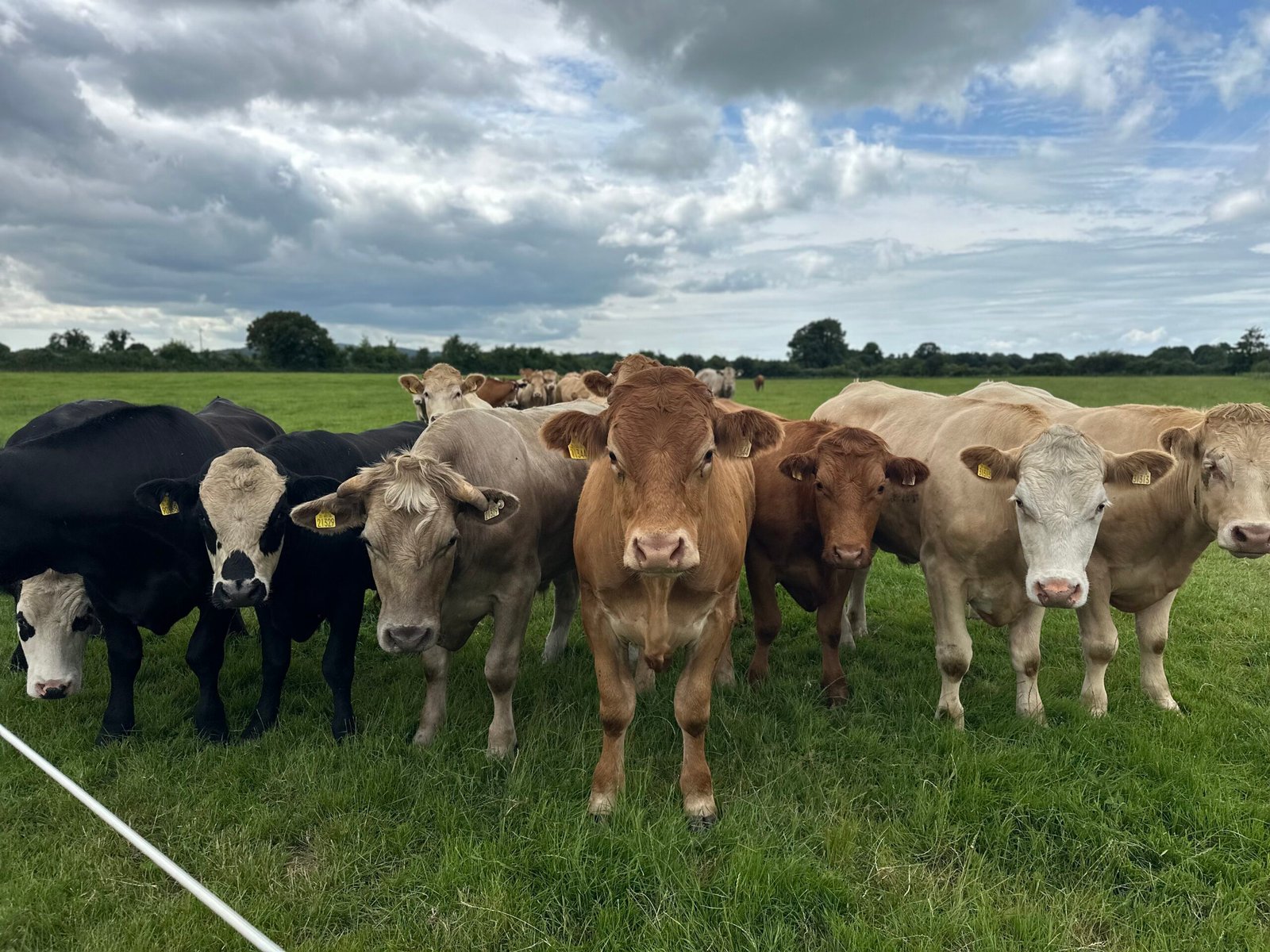
Pasture-raised British tallow is rendered fat sourced from cattle raised primarily on grass in the UK, with access to outdoor grazing and natural feeding conditions.
Unlike industrially raised livestock systems, pasture-based farming focuses on:
- Grass-fed or grass-finished diets
- Outdoor grazing access
- Seasonal, land-based farming cycles
- Lower reliance on grain-heavy feed systems
The result is a fat that reflects a more natural biological profile, shaped by diet and environment.
In skincare terms, this matters because tallow is not just “fat” — it is a lipid structure influenced by how the animal lived.
When carefully rendered, British pasture-raised tallow becomes a stable, nutrient-rich base for balms and skincare formulations.
Why Pasture-Raised British Tallow Matters
This ingredient is not only relevant for skincare performance, but also for wider environmental and ethical considerations.
1. Skin compatibility through lipid structure
Tallow naturally contains fatty acids such as:
- Stearic acid
- Oleic acid
- Palmitic acid
These lipids are structurally similar to components found in human skin barrier function, which is why tallow is often used in minimalist skincare formulations.
2. Sustainability through whole-animal use
When tallow is used in skincare, it supports full utilisation of the animal, rather than waste.
Key sustainability points:
- Reduces waste in meat production systems
- Supports circular use of agricultural by-products
- Encourages whole-animal respect practices
- Can align with regenerative farming principles when sourced correctly
3. Lower environmental processing compared to synthetic alternatives
Unlike many modern cosmetic ingredients, tallow requires:
- Minimal chemical processing
- No petrochemical refinement
- No complex emulsification systems
It is rendered, filtered, and stabilised — a relatively simple transformation.
4. Connection to land-based farming
British pasture-raised systems are tied to local ecosystems, seasonal cycles, and soil health.
This creates a direct connection between:
- Land management
- Animal welfare conditions
- Ingredient quality
Key Insights About Quality and Sourcing
Not all tallow is equal. The difference between low-grade and high-quality tallow often comes down to sourcing and processing.
What defines high-quality pasture-raised tallow:
- Grass-based diet (not grain-heavy finishing systems)
- Clean rendering process (low heat, careful filtering)
- Fresh processing after slaughter
- Minimal exposure to industrial contaminants
- Traceability to farm origin
What affects quality:
- Feed composition (grass vs grain)
- Animal living conditions
- Storage and oxidation control
- Rendering temperature and method
The closer the ingredient remains to its natural state, the more stable and skin-compatible it tends to be.
Common Questions and Misunderstandings
“Is pasture-raised tallow better for skin?”
It is not about superiority in absolute terms, but about compatibility and quality consistency.
Pasture-raised tallow tends to have a cleaner fatty acid profile and fewer impurities due to better feed and farming conditions.
“Does sourcing really matter in skincare?”
Yes, because skincare ingredients are biological in nature.
Just like plant oils vary depending on soil and climate, animal fats vary depending on diet and environment.
“Is tallow sustainable?”
Sustainability depends on farming practices.
When sourced as a by-product of responsible farming systems, tallow can support whole-animal utilisation and reduce waste. However, sustainability is always context-dependent.
“Why use animal fat in skincare at all?”
Historically, animal fats were widely used in skincare due to their availability and functional properties.
Modern interest is often driven by:
- Minimal ingredient lists
- Barrier-focused skincare
- Reduction of synthetic emulsifiers and fillers
How Pasture-Raised British Tallow Is Used in Real Life
In skincare formulation, pasture-raised tallow is typically used as a base ingredient in balms and creams.
Common applications:
- Facial balms for barrier support routines
- Body moisturisers for dry skin areas
- Hand balms for weather exposure
- Lip care products in minimal formulations
Simple skincare routine example:
Morning:
- Gentle cleanse or rinse
- Light application of balm if needed
Evening:
- Cleanse without harsh surfactants
- Apply balm to damp skin
- Allow skin to rest overnight
The focus is not layering, but maintaining a stable skin environment.
Traditional vs Modern Ingredient Philosophy
The use of tallow reflects a broader philosophical divide in skincare.
Traditional approach:
- Whole, unrefined ingredients
- Functional simplicity
- Seasonal and land-based sourcing
- Minimal processing
Modern cosmetic approach:
- Highly refined isolates
- Synthetic stabilisers and emulsifiers
- Texture and sensory optimisation
- Multi-step formulation systems
Neither approach is inherently wrong. They simply serve different priorities.
Pasture-raised British tallow sits closer to traditional formulation philosophy, where ingredients are chosen for function and origin rather than complexity.
Origin Product Context
At Origin, pasture-raised British tallow is not just an ingredient choice — it is a sourcing standard.
Relevant internal resources include:
- Pure Grass-Fed Tallow Balm
- Understanding Barrier-First Skincare
- Minimal Ingredient Skincare Philosophy
- Sustainable Skincare Ingredients Explained
These explore how ingredient sourcing impacts both skin experience and formulation integrity.
Frequently Asked Questions
What does “pasture-raised” actually mean?
It refers to livestock raised with regular access to outdoor grazing on pasture, rather than being confined to intensive indoor systems.
Is British tallow different from imported tallow?
Yes, in terms of traceability, farming standards, and environmental context. Local sourcing also reduces transport impact.
Does tallow skincare suit all skin types?
Skin response varies individually. Many people appreciate its simplicity, but personal compatibility should always be considered.
How long does tallow last in skincare products?
When properly rendered and stored, tallow-based balms can remain stable for many months due to their low water content.
Conclusion
Pasture-raised British tallow represents more than an ingredient choice. It reflects a farming system, a sourcing philosophy, and a return to simplicity in skincare formulation.
In a world of increasingly complex cosmetic products, it offers an alternative path — one rooted in traceability, minimal processing, and respect for natural biological structures.
For those exploring ingredient-led skincare, understanding where tallow comes from is just as important as how it feels on the skin.
Simplicity, in this case, begins at the source.
Links (Internal & External)
Internal (Origin):
- Grass-Fed Beef Tallow UK: Top Sources and Skin Benefits
- How Origin’s Ingredients Are Sourced (From Farm to Skin)
- Exploring the History of Tallow in Traditional Skincare
External: