EU Regulations on Animal Fat in Cosmetics: Key Rules
-
By Igor Kapler
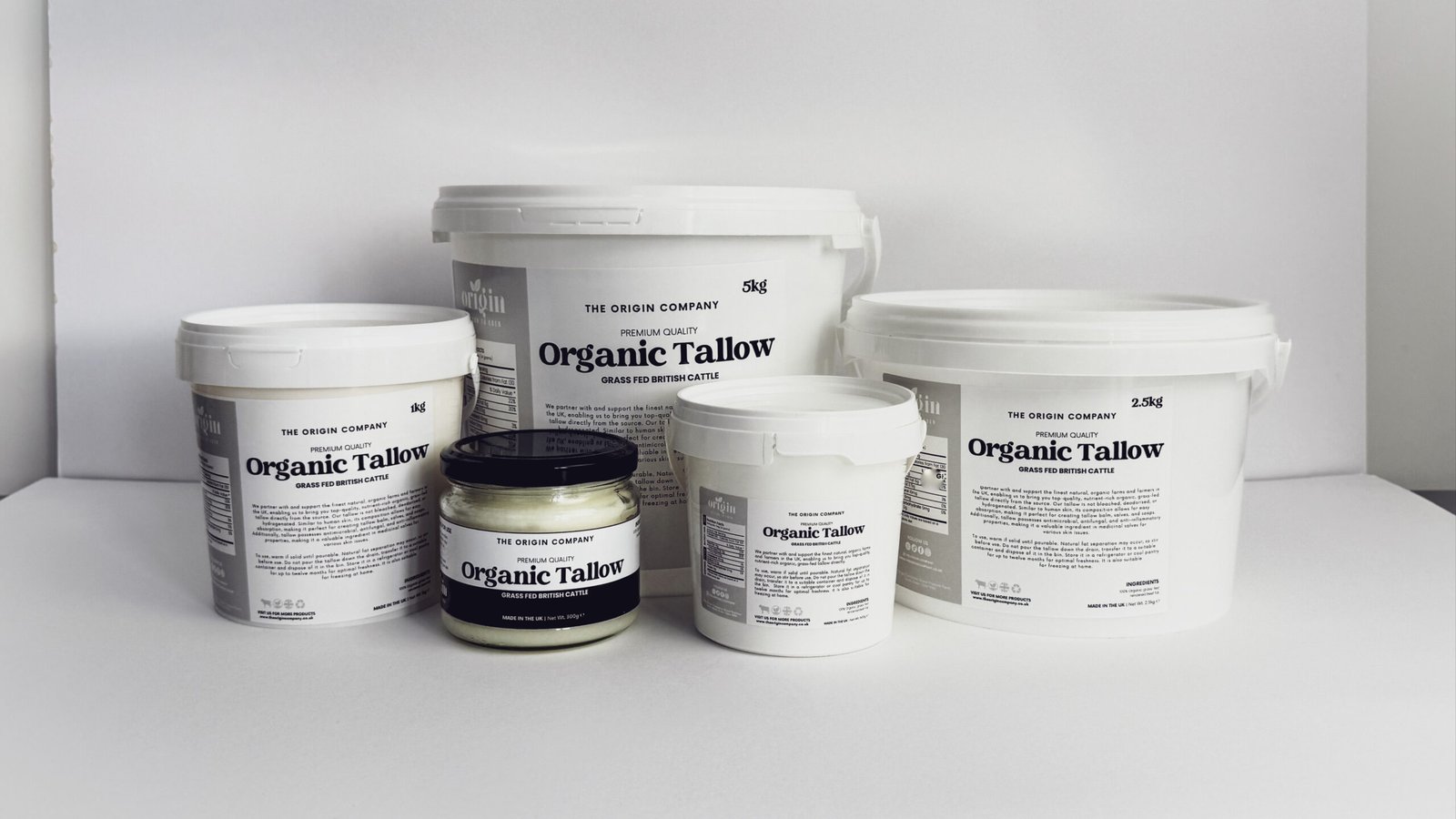
Many natural skincare brands today are revisiting traditional ingredients like tallow (rendered beef fat) for their proven nourishing properties. But consumers often wonder: Is animal fat even allowed in EU cosmetics? What rules apply? These questions matter for health-conscious shoppers and ethical formulators alike. In fact, using animal-derived fats like tallow in Europe is strictly regulated under food- and safety-law frameworks. By understanding these rules, you can shop or create tallow products with confidence, knowing they meet high safety and traceability standards.
In Europe, animal fats in cosmetics must comply with both cosmetic safety laws and the EU’s Animal By-Products regulation. The EU’s Animal By-Products (ABP) Regulation (EC 1069/2009 and implementing rules) classifies animal materials into categories based on risk. Category 3 covers low-risk materials (for example, parts of healthy animals not used as food). Only fats from Category 3 sources may be used in cosmetic or pharmaceutical products. In short, beef tallow destined for skincare must come from animals fit for consumption (Category 3) and be processed under strict conditions. The EU Cosmetics Regulation (EC 1223/2009) then requires that any such ingredients be used safely and labelled appropriately (e.g. listing “Tallow” by its INCI name). In practice, this means a certified tallow supplier will handle the fat under EU law – including removing any specified risk materials (SRMs) and sterilizing the fat – before any balm is made.
By the end, you’ll understand exactly how EU law treats animal fats: what sourcing is allowed, what processing steps are required, and how brands must ensure traceability and safety. This isn’t just legal jargon – it’s about keeping skincare safe and transparent for sensitive skin and clean-beauty consumers. Let’s dive into the key rules.
What Are Animal By-Product Regulations?
First, a quick overview. Animal By-Products (ABPs) are all animal-origin materials not eaten by people. The EU sorts ABPs into three categories by risk level:
- Category 1 (High Risk): Specified risk materials (SRMs), fallen stock, or animals with unknown disease. Ban: Must be destroyed (e.g. incinerated). No cosmetics use.
- Category 2 (Medium Risk): Animals unfit for human consumption (e.g. due to disease, antibiotics). Restriction: Cannot be used in products that contact people (only certain industrial uses after processing).
- Category 3 (Low Risk): Parts of animals that were healthy (e.g. fat trimmings, organs) or food products not eaten for technical reasons. Allowed: Can be safely used for feed, pet food, industrial and even cosmetic applications if processed properly.
Tallow for cosmetics comes from Category 3 material only. This means it comes from cattle considered “fit for human consumption” (even if not sold for food). The ABP Regulation explicitly allows cosmetic products to be made from such derived materials. In fact, EU law states that cosmetic products containing animal fats are permitted provided the raw tallow meets Category 3 criteria and is processed in a safe, approved way.
In other words, EU animal-by-product rules take precedence: even though cosmetics aren’t food, any animal ingredient still counts as an ABP when it’s not eaten. Brands must obtain ABP-compliant tallow (from certified slaughterhouses) and follow EU processing rules, which include removing any SRM (like spinal cords) and subjecting the fat to high-heat or sterilization processes. Only after these steps is the tallow considered safe for use in skincare.
Why These Rules Matter
- Consumer Safety: Animal fats can carry pathogens or prions if not handled right. The EU BSE crises taught us to be cautious. Strict sourcing/processing rules minimise any risk of contaminants in cosmetics.
- Skin Barrier Health: Products must be consistent. Regulations ensure high-quality tallow with minimal impurities reaches consumers, protecting sensitive or compromised skin from unknown substances.
- Traceability: EU law demands full traceability. Every container of Category 3 fat must be clearly labeled “Not for human consumption” during transport, and final products must have a Responsible Person and safety report per cosmetics law.
- Sustainability & Ethics: Using animal by-products supports a circular economy (less waste). But it must be transparent. Compliance means the animal welfare and processing standards are documented.
- Legal Compliance: Brands need to follow both cosmetics safety law (EC 1223/2009) and ABP law. Failing to comply can mean fines or product bans. For consumers, it’s reassuring to know “Origin’s tallow” is fully legal and safe under EU rules.
In short, these regulations protect health, ensure ethical sourcing, and uphold trust in natural skincare. By abiding by strict ABP and cosmetics regulations, tallow balms can be offered confidently to an increasingly discerning market.
Key Requirements for Cosmetic Animal Fats
- Category 3 Only: Tallow must be derived from Cat 3 ABPs. This means the cattle were healthy and inspected. Any high-risk material (Category 1 or 2, e.g. SRMs, dead-on-farm animals, diseased cattle) is strictly excluded.
- Approved Processing: EU law requires validated processing. For example, pressure-cooking at high temperature (e.g. 133 °C for 20 min at 3 bar) is one method used to inactivate pathogens. Tallow is also filtered (often to <0.02% insolubles) to remove any microscopic debris, essentially eliminating residual risk. These steps must follow the detailed rules laid out in the ABP Regulation.
- SRM Removal: Specified Risk Materials (brain, spinal cord, tonsils, etc.) must have been removed before rendering if the source is from a previously BSE-affected country (per EU rules). In practice, beef tallow in Europe generally comes from regions considered low BSE-risk (like the UK after strict controls) or from cattle that never entered the human food chain with such tissues.
- Approved Establishments: Only registered/approved facilities may collect, process and render tallow for cosmetics. This means the slaughterhouse, renderer and manufacturer are all inspected and certified by national authorities. It ensures oversight at every step.
- Labeling & Documentation: During transport, containers of Category 3 fat must be marked “Not for human consumption”. For the finished product, the EU Cosmetics Regulation demands a full ingredients list (INCI) and a Product Information File (PIF) with traceability. Consumers will see “TALLOW” or similar on the label. Responsible Persons keep detailed records proving compliance.
- Conformance with Cosmetics Safety Rules: Beyond sourcing, the final cosmetic product must still meet general EU safety rules. This includes things like banned substances (Annex II) and restricted ingredients (Annex III) of EC 1223/2009. Tallow itself is not prohibited. However, any additives or contaminants must comply with these lists. And of course the product must be safe for intended use (assessed by a qualified safety assessor).
In summary: Legal tallow balms require certified, low-risk fat plus strict processing plus transparent labeling. These layers of control collectively ensure a very low BSE or microbial risk. The EU regulators and scientific committees have repeatedly affirmed that properly handled cosmetic tallow is safe. For example, the EU’s Scientific Steering Committee concluded that “tallow derivatives are safe with regard to BSE risk… if they are derived from food- or feed-grade tallow and if cross contamination is prevented”. This aligns with the formal regulations in place.
Common Questions and Myths
- “Isn’t any animal fat banned in cosmetics?” No. Unlike banned substances (Annex II of EC 1223/2009), animal fats themselves are not prohibited. The requirement is that they must meet ABP rules. In Europe this essentially limits us to Category 3 sources and regulated processing. If a manufacturer followed the rules (traceability, SRM removal, approved plant, sterilization), the tallow is legal. Brands selling natural products often highlight “ABP Cat 3, EU-compliant sourcing.”
- “What about BSE (mad cow disease)?” It’s true EU has rigorous BSE safeguards. Key point: BSE prions are in nervous tissue, not fat. EU laws mandate removal of any risk tissue before tallow is made, and often a sterilization step is applied. In practice, this means tallow used in cosmetics today comes from cattle in strict regulatory regimes. Independent panels have found that properly processed tallow is extremely low-risk for BSE. Modern tests have not identified prion infectivity in refined tallow when rules are followed.
- “Does the EU require animal testing for tallow?” The cosmetic regulation forbids animal testing of finished products and ingredients (Article 18 onward) except in very limited cases. Tallow suppliers rely on historical safety data and non-animal testing. EU law encourages non-animal safety methods. Importantly, safety assessments rely on existing toxicological data for fats (from CIR and others) rather than new animal tests.
- “Are there labeling requirements for animal fats?” In EU cosmetics, ingredients are listed by their International Nomenclature of Cosmetic Ingredients (INCI). For tallow, the INCI is simply “Tallow”. By law this must appear on the label in the ingredient list. There is no special “animal origin” icon needed beyond accurate nomenclature. Consumers with ethical concerns might look for “vegan” claims if they avoid animal products entirely. But from a regulatory standpoint, clarity comes via the INCI and any voluntary claims.
- “What if the brand is outside the EU?” Post-Brexit, UK and EU rules have diverged slightly, but for selling in the EU market, products must meet EU regs. Non-EU companies exporting to the EU must still ensure their sources and processes comply with EU ABP rules. In practice, reputable tallow cosmetic brands will attest to EU compliance even if manufacturing happens in the UK or elsewhere.
In Practice: What Brands and Consumers Should Do
For skincare brands and formulators:
- Choose Verified Suppliers: Work only with tallow suppliers certified under EU ABP rules (Category 3, SRMs removed, approved facilities). Ask for documentation on source and processing (some suppliers will show ABP registration and hygiene certificates).
- Document Everything: Maintain a safety dossier showing tallow’s origin, how it was processed, and its compliance with ABP law. This lives in the product’s PIF.
- Label Clearly: Use correct INCI. If branding emphasizes natural or ethical sourcing (grass-fed, humane slaughter), ensure those claims align with actual practices and regulations.
- Quality Control: Test final products as usual (microbiological, stability). The regulation itself doesn’t mandate extra cosmetic testing beyond the general hygiene rules, but prudence (especially for sensitive skin) is key.
For consumers:
- Read the Label: If you see “Tallow” or related terms (Tallow Glyceride, etc.), know that’s animal fat. Check if the brand states anything about sourcing (e.g. “EU-compliant,” “ethically sourced”).
- Trust Reputable Brands: A brand like Origin that is transparent about ingredient sourcing and who follows EU rules can be trusted to meet these standards. Look for statements about their ingredients being fully regulatory-compliant.
- Understand Risk Context: While we all want safe skincare, remember that EU regulations on ABPs grew out of food safety. The same strict rules mean cosmetic products have multiple barriers to risk, even if the source is “animal.”
In many ways, the regulations on animal fats in cosmetics create as much assurance as possible. They ensure that your balm made from beef tallow is not a random offcut of questionable meat, but a carefully sourced, tested ingredient.
Traditional vs Modern Approaches
Historically, animal fats were common in ointments and soaps across cultures. We didn’t have modern regulations back then, but the tradition was to use known sources. Today, we combine that ancestral wisdom with 21st-century science and safety.
- Traditional: Farmers and herbalists once rendered fat at home, often from animals they knew and trusted. This simplicity had wisdom but could lack consistency.
- Modern: Now, we frame those ingredients within strict food safety laws. The EU approach doesn’t reject tallow outright; instead it integrates it safely. This balanced view means we respect traditional materials, but demand proof of their safety (through audits, certificates and labelling).
By avoiding alarmist “no fat ever” narratives and instead focusing on how the fat is obtained and handled, EU regulations allow consumers to benefit from natural ingredients responsibly.
Frequently Asked Questions
Q: Are animal fats banned in EU cosmetics?
A: No, not categorically. EU law allows animal fats (e.g. tallow, lard) in cosmetics if they come from approved Category 3 sources and meet safety criteria. The key is compliance with the Animal By-Products Regulation (EC 1069/2009) and proper processing.
Q: Can tallow-based cosmetics say “BSE-free”?
A: Labels must follow strict rules (INCI listing). Claims like “BSE-free” can be tricky and might imply a medical claim. Instead, brands often highlight “Made with regulated tallow from EU-approved sources,” which tells informed shoppers everything they need to know.
Q: Does EU law require tallow to be organic or grass-fed?
A: The regulations don’t say “organic” or “grass-fed”; they focus on animal health and processing. However, many natural brands market grass-fed tallow for perceived quality and sustainability. That’s a marketing choice, not a legal requirement.
Q: How does this differ from petroleum-based ingredients?
A: Regulation-wise, synthetic or petroleum ingredients follow chemical REACH rules, not ABP. From a consumer perspective, ABP regulations are very stringent about hygiene. Each system has its own standards. The bottom line is that both must be safe – EU law is quite strict on all fronts.
Q: Has the UK kept the same rules post-Brexit?
A: The UK has its own Animal By-Products Regulation (ABPR 2013) which closely mirrors the EU rules, and Brexit agreement allows UK products to claim equivalence. But for the EU market, the EU regulations still apply. Many UK brands selling in Europe mention they follow “EU-standard ABP compliance.”
Conclusion
Navigating EU regulations on animal fats may seem complex, but the core message is reassuring. Properly sourced and processed tallow – the kind used by a conscientious brand – is fully compliant and considered safe for cosmetic use. The strict EU rules mean that when you see a product like Origin’s tallow balm, you can trust it meets high safety and traceability standards. Rather than avoiding all animal ingredients, the focus is on how they’re used.
Regulations ensure that our skincare can honour ancestral ingredients without compromising modern safety. This empowers you to make informed choices: to enjoy rich tallow balms on winter skin or lips, knowing they comply with the latest EU legal requirements. At Origin, we encourage curiosity and clarity. So explore our products and more resources (like our article on “Why Bioidentical Lipids Matter” or “Building a Minimalist Skincare Routine”). Understanding these rules helps everyone feel confident in clean, effective skincare for all seasons.
Suggested Internal Links:
- Dermatologist Opinions on Beef Tallow: What Experts Say
- Beef Tallow Balm Ebay Reviews: Real Customer Experiences
- Sourcing Tallow from Local Butchers and Independent Suppliers in the UK and Europe
Suggested External Links: